Upper Blepharoplasty
in Irvine, CA

Upper blepharoplasty removes extra skin from the upper eyelids that folds over the crease or sits close to the lashes. This can help your eyelids look lighter and show more of their natural shape. The right treatment depends on what’s causing the heaviness—extra skin, a low brow, or a drooping eyelid edge may each need a different approach.
Dr. Andrew Smith provides upper eyelid surgery in Irvine for both women and men in Orange County. His practice focuses on natural-looking results and working closely with patients. At your consultation, you can talk about the changes you want, find out what’s causing your concerns, and learn about recovery before making any decisions.
Blepharoplasty Before & Afters
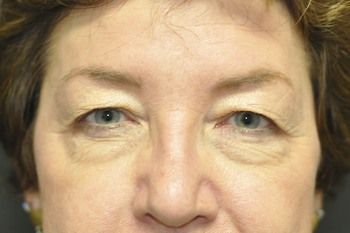 Before
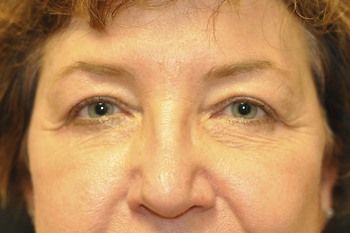 After
After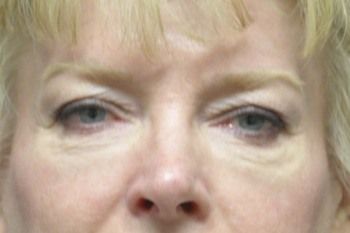 Before
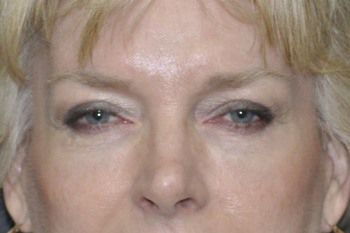 After
After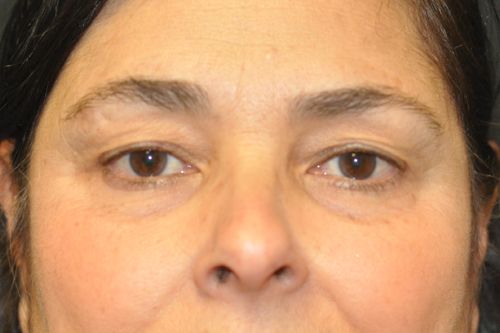 Before
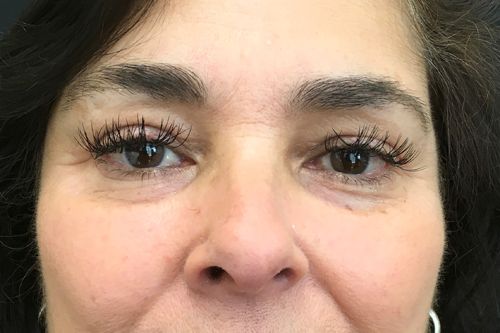 After
After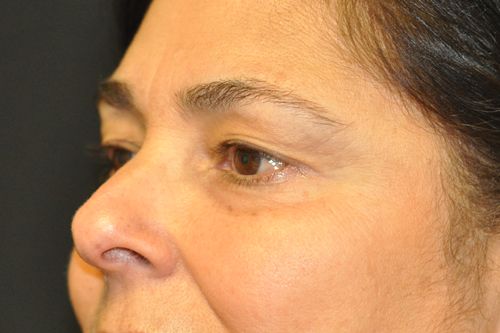 Before
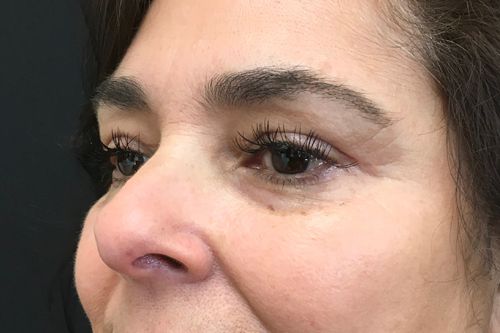 After
After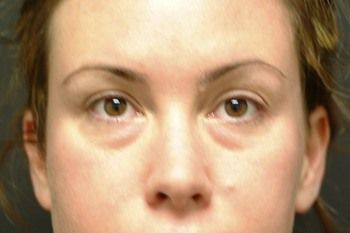 Before
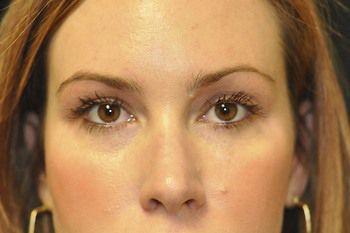 After
After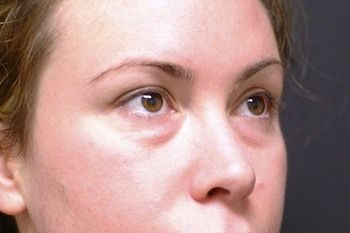 Before
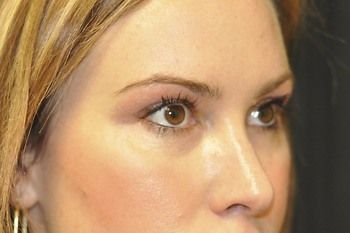 After
After Swipe To Next
What Is Upper Blepharoplasty?
Upper blepharoplasty is a surgery that removes extra skin from the upper eyelids and, when needed, can also address bulging fat. The incision is made along the eyelid crease. The aim is to reduce hooding but still leave enough tissue for your eyelids to close comfortably and to keep a natural look that fits your face.
Upper and lower eyelid surgeries address different concerns. Upper eyelid surgery treats folds above the eyes, while lower eyelid surgery focuses on bags and changes beneath them.
Upper Blepharoplasty at a Glance
- Best for: Upper-lid hooding caused by excess skin, with selected areas of fullness.
- Treatment type: Outpatient eyelid surgery.
- Downtime: Most people need about one to two weeks off work and social activities, but some restrictions may last longer.
- Discomfort: You can expect some swelling, tightness, irritation, and soreness at first.
- Treatment length: Depends on the correction and any additional procedures.
- Results: Your results will become clearer as swelling goes down, and scars will keep improving over the next few months.
- Longevity: The improvements can last for years, but natural aging will still happen over time.
- Cost: You’ll get a personalized estimate after your surgical plan is reviewed.
What Can Upper Blepharoplasty Do for You?
Upper eyelid surgery can help reduce skin folds that make your eyelids look heavy or crowded. The right treatment can offer:
- Less upper-lid hooding and a more defined visible crease.
- A smoother contour where excess tissue creates fullness.
- More exposed eyelid space for patients whose skin folds cover it.
- Improved peripheral vision when excess skin causes a documented obstruction.
This surgery won’t fix under-eye bags, get rid of crow’s-feet, or lift a low brow. If your eyelid edge sits low near the pupil, it could be ptosis, which is a problem with how the eyelid lifts. Just removing skin might not solve that. An exam will help figure out what’s causing your concerns before choosing a procedure.
Who Is a Good Candidate for Upper Blepharoplasty?
You might be a good candidate if extra upper eyelid skin bothers you, you’re healthy enough for surgery, and you have realistic expectations about the results and possible scars. Age isn’t the only factor—things like extra skin, brow position, eyelid function, and eye health matter more.
You May Be a Good Candidate If…
- Your main concern is upper-lid hooding or excess tissue above the lashes.
- You want to retain your recognizable eye shape and expression.
- You can follow preparation instructions and allow time for recovery.
Surgery May Need to Wait or Another Approach May Fit Better If…
- Dry eyes, thyroid-related eye disease, or another eye condition needs further evaluation.
- A lowered brow or true eyelid ptosis is the main source of heaviness.
- Nicotine use, medications, or a medical condition increases healing or bleeding concerns.
If you’ve had eyelid surgery before, it’s important to review it carefully since it affects how much tissue can be corrected. Bring any records you have and let Dr. Smith know about contact lenses, eye irritation, past eye procedures, or any problems closing your eyes.
Your Upper Blepharoplasty Consultation
Your consultation is a chance to talk about what you’d like to change and what you want to keep the same. You can discuss things like the upper-lid fold, fullness, differences between your eyes, and any changes in your vision. Bringing older photos can help show how your eyelids and brow have changed over time.
The evaluation looks at how your brow, eyelid crease, extra skin, and eyelid position all relate. Your medical and eye history will help decide if you need more eye tests. You’ll also learn about the planned incision, anesthesia, recovery time, risks, and total cost.
If you’re not sure whether your concern is from your eyelids or your brow, a consultation can help figure it out and compare your options. You can request a surgical consultation with Dr. Smith to talk about the differences.
How Should I Prepare for Upper Eyelid Surgery?
- Go over all your medications and supplements with the surgical team. Only make changes if your doctor or prescribing provider tells you to.
- Follow instructions about nicotine, preoperative testing, fasting, and any eye evaluation needed before surgery.
- Set up a ride and help at home for your first days of recovery. Plan to take time off from work, exercise, and any tasks that involve lifting.
- Get your recovery area ready and pick up any supplies you’ll need. Review how to care for your incision, your follow-up schedule, and how to contact the team if you have questions.
Your Upper Blepharoplasty Surgery
Upper blepharoplasty is usually done as an outpatient procedure. Dr. Smith does eyelid surgery either in the office or at the Irvine Ambulatory Surgery Center, using IV sedation or general anesthesia based on your plan. The location, type of anesthesia, and how long the procedure takes will be confirmed ahead of time. If you’re having just upper eyelid surgery or combining it with other facial procedures, the requirements may be different.
- Incision planning: The upper-eyelid crease guides placement. The amount of skin available for removal is assessed with eyelid closure and brow position in mind.
- Anesthesia: The planned anesthesia is administered before correction begins. Tell the team about previous anesthesia reactions or concerns.
- Tissue correction: Extra skin is removed, and fat may also be adjusted if it’s causing fullness. It’s important to preserve enough tissue, especially if your upper eyelid already looks hollow.
- Closure and recovery: The incision is closed with fine stitches. After a short period of monitoring, you’ll get instructions for home care and follow-up visits.
Your Upper Blepharoplasty Recovery and Beyond
You can expect some swelling and bruising, and your eyes might feel tight, irritated, or sensitive to light. Getting back to work, feeling comfortable in public, and full healing all happen at different times. The following phases are just estimates—always follow your surgical team’s instructions first.
The First Several Days
Rest with your head up and use cool compresses as directed. Take any recommended medications and use the eye drops or ointment your doctor prescribes. Don’t rub your eyes, bend over, lift heavy things, or do anything strenuous. Make sure you have someone to help with driving and any tasks that could put strain on your eyes.
The First One to Two Weeks
Bruising and swelling will slowly get better. Most people can go back to desk work in about seven to ten days, but some may need more time. If your job involves a lot of screen time, your eyes might feel dry and uncomfortable. If you work with clients, you might want to wait longer if bruising is still visible.
Follow-up visits let your doctor check your healing and stitches. Only start driving again when your vision is clear, you’re not affected by medications, and your doctor says it’s safe. Wait for approval before using eye makeup or contact lenses, since covering a healing incision too soon can cause irritation.
The Following Weeks and Months
You’ll be able to return to exercise in stages once your doctor gives the okay. Some swelling may stick around even after you feel ready for normal activities, and scars will take longer to fade. Give yourself extra time to recover before big events or photos, especially if your surgery included your brow or lower eyelids.
If you have sudden changes in vision, severe new eye pain, or fast-growing swelling, get medical help right away. If you notice bleeding, drainage, or worsening irritation, contact your surgical team as soon as possible instead of waiting for your next appointment.
What Results Can I Expect After Upper Blepharoplasty?
As swelling goes down, your upper eyelid should look less crowded and the new shape will become clearer. The goal is for your eyelid to look lighter while still matching your natural features. Keep in mind that perfect symmetry is rare, since eyes and brows are usually a bit different even before surgery.
- Early weeks: Bruising and swelling can obscure the correction and make the two sides look uneven.
- Following months: Remaining swelling improves, the contour becomes clearer, and incision lines soften.
- Long term: Results can remain visible for years. Skin and brow tissues continue aging, so additional hooding may develop later.
Scars After Upper Blepharoplasty
Incisions for upper eyelid surgery are made along the natural crease, so they’re usually hidden when your eyes are open. There will still be scars, though. At first, the lines might look pink, raised, or more noticeable when your eyes are closed, but they’ll usually fade and soften over the next few months.
How your scars heal depends on your skin, how much tension is on the incision, sun exposure, and your own biology. Follow your scar-care instructions and, once your doctor says it’s okay, protect the area from the sun with sunglasses and sunscreen. Don’t use scar products near your eyes unless your doctor tells you to.
Upper Blepharoplasty vs. Other Options
The right option depends on the source of the concern. These options address different causes of heaviness:
| Option | Main concern | Important limitation |
|---|---|---|
| Upper blepharoplasty | Excess skin above the eyes | Does not lift the brow or correct every cause of eyelid droop. |
| Brow lift | A descended brow contributing to hooding | May need to be combined with eyelid surgery if skin excess remains. |
| Ptosis evaluation | A low eyelid edge caused by impaired lifting | May require a separate procedure; skin removal alone may be insufficient. |
Can Upper Blepharoplasty Be Combined With Other Procedures?
Upper eyelid surgery may be combined with a brow lift when both brow descent and excess lid skin contribute to hooding. Lower eyelid surgery may be considered for bags beneath the eyes. A deep plane facelift addresses descended tissues through the cheeks and lower face rather than removing upper-lid skin.
Adding other procedures will affect how long surgery takes, how much swelling you have, and what your aftercare will be like. Ask if it’s better for you to combine procedures or do them in separate stages, based on your health and recovery needs. You can also choose to focus just on your upper eyelids.
What Are the Risks of Upper Eyelid Surgery?
Risks include bleeding, infection, unfavorable scars, asymmetry, persistent dry eyes, difficulty closing the eyes, changes in sensation, anesthesia complications, and the possibility of revision surgery. Vision changes can occur; permanent vision loss is very rare but serious.
A review of your eye health and careful planning help reduce risks, but no surgery is completely risk-free. Talk about any dry eyes, eye conditions, or previous surgeries so you know how they might affect your treatment plan.
How Much Does Upper Blepharoplasty Cost in Irvine?
The cost of upper blepharoplasty depends on how complex your surgery is, the type of anesthesia, where it’s done, and whether you’re having other procedures at the same time. Treating just the upper lids is different from combining it with lower eyelid surgery or a brow lift. Dr. Smith will give you a personalized estimate during your consultation.
Be sure to ask what’s included in your estimate, like the surgeon’s fee, facility costs, anesthesia, and follow-up visits. Cosmetic surgery is usually self-pay, and Dr. Smith doesn’t take insurance for these procedures. If you’re looking for insurance coverage because of vision problems, talk to your eye-care provider and insurance company about what’s needed.
Why Choose Dr. Andrew Smith for Upper Blepharoplasty?
Dr. Andrew Smith, MD, FACS, is board-certified by the American Board of Plastic Surgery and is a Fellow of the American College of Surgeons. He trained in plastic and reconstructive surgery at UCLA. His Irvine practice has an on-site surgical facility and focuses on natural-looking results and working closely with patients.
During your eyelid surgery consultation, you should get a clear explanation of which tissues need to be addressed and how the changes will fit your features. Ask to see before-and-after photos, and talk about where the incision will be, your eye health, recovery, and other options. These details will help you decide if the recommendation and the surgeon are right for you.
Upper Blepharoplasty FAQs
An accurate price requires an examination and a defined surgical plan. Ask for the total estimate and an explanation of included fees, particularly when comparing upper-only surgery with combined eyelid or brow procedures.
Taking away hooded skin can change how much of your eyelid and crease you see. Talk with your surgeon about how noticeable you want that change to be. The goal is to keep your natural look, but there’s no guarantee your appearance will stay exactly the same.
You’ll have anesthesia during surgery. Afterward, you might feel sore, tight, or irritated, but these are usually managed with your care instructions. If you have severe new eye pain, get checked right away instead of just taking more pain medicine.
Upper blepharoplasty can help your side vision if extra upper eyelid skin is blocking it. Other vision issues need a separate evaluation. Dr. Smith doesn’t take insurance for these procedures, so if you’re looking for covered care, talk to your eye doctor and insurance provider about what’s needed.
Yes. Upper lids can be treated on their own when the concern is above the eyes. Lower-lid treatment is a separate decision based on the anatomy and changes you want to address.
If you’ve always had hooded eyelids, it might just be your natural anatomy, not aging. Talk about what kind of crease you want and which features you’d like to keep. Making a new crease is a different goal, so don’t expect every upper blepharoplasty to include that.
Start Your Journey
If you’re bothered by upper eyelid hooding, schedule a meeting with Dr. Smith in Irvine to find out what’s causing it and what solutions might work for you. Bring any questions you have about eye shape, recovery, or cost. Fill out the consultation request form, and a staff member will reach out to set up your next step.


