Buccal Fat Removal
in Irvine, CA

If your lower cheeks remain full at a stable weight, you may wonder whether buccal fat removal could bring more definition to your face. For patients considering buccal fat removal in Irvine, the answer starts with facial fat, bone structure, muscle, and skin. Removing excess fat can help when prominent buccal fat pads are responsible.
Dr. Andrew Smith’s approach to plastic surgery emphasizes individual anatomy and natural-looking results. Bring your aesthetic goals and questions to consultation. An appropriate treatment plan considers what to preserve as your face ages.
Buccal fat removal is a cosmetic procedure that reduces part of the deep fat pad within each cheek. Through small incisions inside the mouth, a surgeon removes selected fat to create a less rounded lower-cheek contour. This localized reduction can enhance existing cheekbone definition without changing the facial bones.
Unlike traditional liposuction, the procedure accesses the buccal fat pad directly. It does not remove every source of facial fullness.

Buccal fat removal addresses excess fat in the deep cheek compartment. It may improve:
It does not treat a double chin, enlarged jaw muscles, or sagging skin. Those concerns require a different assessment.
A measured reduction can reveal natural contours while preserving facial balance. Potential benefits include:
Refined results depend on preserving enough cheek volume to suit your face. Removing more tissue does not necessarily achieve a better contour.
Suitable candidates have prominent buccal fat pads, stable weight, and realistic expectations. Like other plastic surgery procedures, cheek reduction requires an individual health assessment.
You are healthy, avoid nicotine, and have adequate facial volume with persistent lower-cheek fullness. Both women and men may qualify. A healthy lifestyle supports preparation and recovery.
You have narrow cheeks, existing hollows, substantial skin laxity, or planned weight loss. Oral infection or medical conditions affecting healing may require postponement. Younger adults may benefit from waiting while facial shape matures.
Unsure what causes the fullness? Consultation can clarify whether buccal fat reduction fits your face. You can explore your options before choosing a procedure.
Buccal fat removal is often performed in about 45 minutes when done alone. This relatively quick procedure still requires careful work near facial nerves and salivary ducts.
Expect swelling, bruising, tenderness, and temporary numbness. Your cheeks may initially look fuller. Recovery time depends on healing and any combined procedures.
Most patients return to light daily activity in about a week, with surgical clearance. Allow extra time before photographs or important events because visible swelling can last longer. Discuss your schedule rather than assuming minimal downtime.
Gentle activity resumes as directed. Wait for clearance before returning to strenuous exercise or heavy lifting; feeling comfortable does not mean healing is complete.
Eating adjustments and swelling are most noticeable early on. Initial healing commonly takes about three weeks. Deeper swelling and contour changes can continue for several months.
Follow the prescribed liquid or soft-food diet, mouth-rinse instructions, and medication plan. Avoid disturbing sutures. Report increasing pain, fever, pus, persistent bleeding, or an unusual taste promptly. Breathing difficulty or chest pain requires emergency care.
Your cheeks gradually settle into their new shape as swelling resolves. The final cheek contour generally takes several months to emerge.
| Stage | What to Expect |
|---|---|
| First week | Swelling can conceal the reduction. |
| Following weeks | Cheek definition becomes easier to assess. |
| Following months | Residual swelling subsides and contours settle. |
Use consistent photographs and follow-up appointments to assess progress. Results vary; perfect symmetry cannot be promised.

Removed fat cells do not grow back, but weight gain, weight loss, and aging can change your appearance. Maintaining stable weight helps preserve the result.
Facial fat also contributes to a youthful appearance. Natural age-related changes can intensify hollowing later, making volume preservation important. Ask how reduction could affect your face over time, alongside the change you hope to see now.
The usual approach leaves incisions inside the mouth rather than external scars. Internal scar tissue still forms and needs time to heal. Combined procedures may involve separate incisions.
The location of unwanted fat or tissue laxity determines which treatment fits your concern. These options address different features; they are not interchangeable.
| Option | Main Purpose | Key Distinction |
|---|---|---|
| Buccal fat removal | Reduce deep cheek fullness | Does not lift skin. |
| Chin liposuction | Reduce stubborn pockets of fat beneath the chin | Treats a different fat compartment. |
| Facelift | Reposition sagging facial tissue | Addresses tissue descent. |
| Dermal fillers | Add volume or contour support | Do not remove fat. |
Cheek reduction may accompany a facelift or neck lift when excess cheek volume and sagging are separate concerns. Fat removal is not automatically part of facial rejuvenation.
Fillers or resurfacing may address other concerns. Discuss previous injectables and planned treatments so the overall treatment plan preserves balance.
Surgical risks include bleeding, infection, poor healing, prolonged swelling, asymmetry, and anesthesia complications. Facial nerve injury can cause temporary or permanent weakness; salivary duct injury can affect drainage.
Excessive removal may create a hollow or prematurely aged appearance. Too little change is also possible. Corrective treatment can be complex and may not restore the original contour.
Dr. Andrew Smith is certified by the American Board of Plastic Surgery and is a Fellow of the American College of Surgeons. His training includes plastic and reconstructive surgery at UCLA.
His Irvine practice emphasizes personalized care and natural-looking improvement. For cheek reduction, that means considering whether less volume would suit your facial structure. Ask about relevant experience, before-and-after photographs, anesthesia, and follow-up care. Understanding reasons to wait or avoid surgery is part of an informed decision.
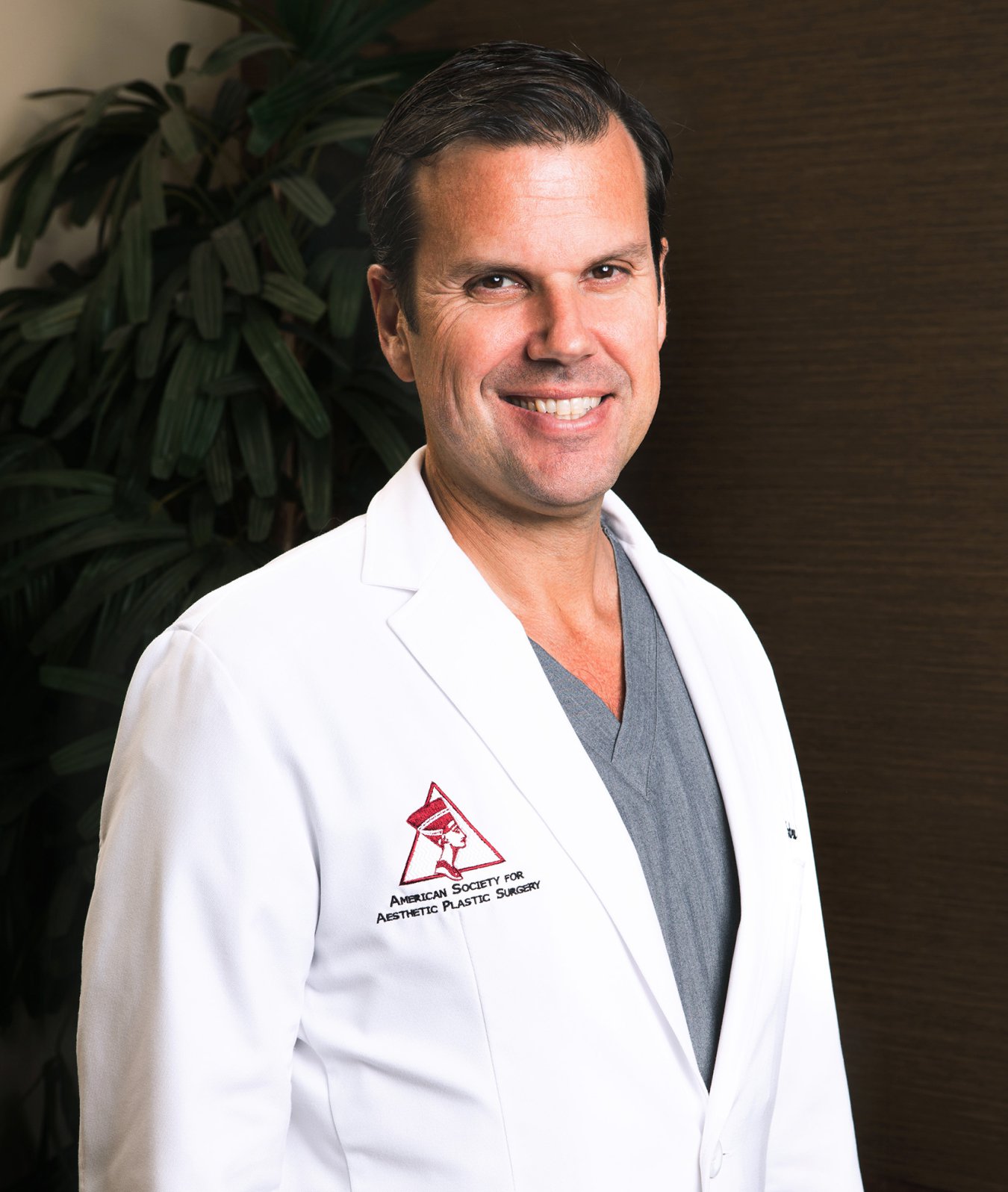
Considering buccal fat removal in Orange County? Consultation helps you understand what is appropriate for your face. Discuss the expected change, risks, recovery, and individualized cost with Dr. Andrew Smith before deciding.
Schedule a consultation or call (949) 653-7000 to arrange your visit.
Pricing depends on surgical complexity, anesthesia, facility fees, and combined treatments. Request an individualized estimate showing included follow-up care and expenses. Cosmetic cheek reduction is generally not covered by health insurance.
It can accentuate hollowing, especially in a lean face or as facial volume decreases with age. Conservative planning reduces over-removal risk but cannot guarantee future appearance.
Consider it irreversible. Fat grafting or fillers may improve selected concerns but cannot recreate the original fat pad or guarantee restoration of your previous appearance.
A healthy diet and exercise routine support a stable body weight, but cannot selectively reduce the buccal fat pad. There is no direct nonsurgical equivalent to removing it. If fullness comes from another cause, a different treatment may be appropriate.
No. Jowls generally involve descending tissue along the jawline. Removing deep cheek fat does not lift that tissue and may worsen a volume deficit.
You may need liquids initially, followed by soft foods while incisions heal. Resume regular foods according to your surgeon’s instructions.
Contact Andrew Smith, MD FACS Plastic and Reconstructive Surgery in Irvine, Orange County to schedule your consultation.


