Breast Reduction
in Irvine, CA

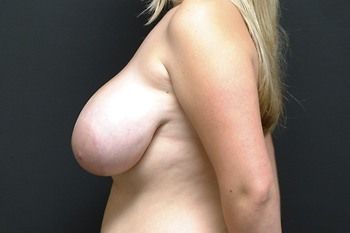
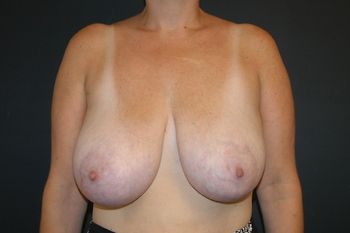
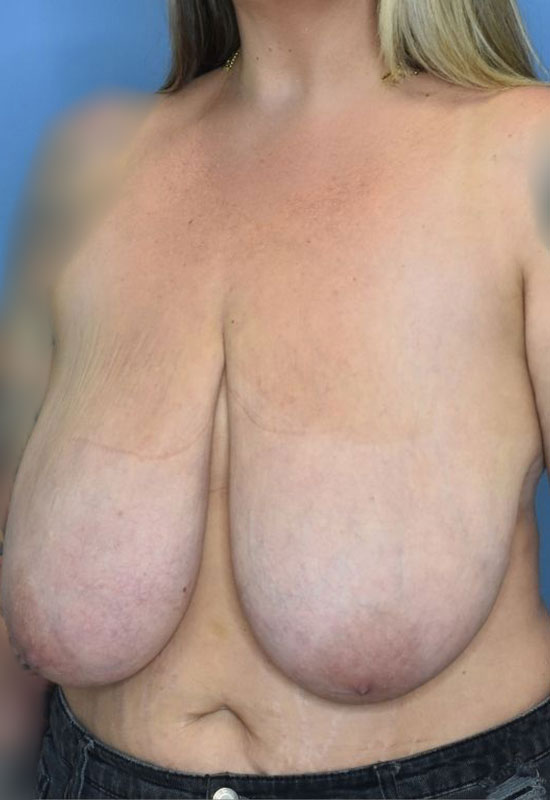
Large, sagging breasts may cause a woman to experience physical and emotional problems. The weight of the excessive breast tissue can cause back, neck and shoulder pain.
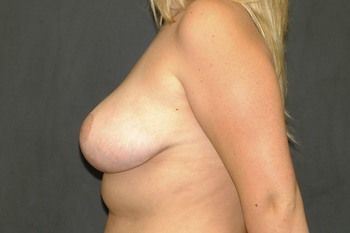
Unwanted attention and limitations on activities can cause frustration, self-consciousness, and embarrassment. Breast reduction in Orange County with Dr. Andrew Smith results in smaller, firmer, better-shaped breasts that are in proportion with the rest of the body.
If you live in or around Newport Beach, your breast reduction surgeon is just around the corner. Request an Irvine breast reduction consultation with Dr. Smith by calling our Irvine and Corona plastic surgery offices at (949)-653-7000.
 Swipe To Next
Typical candidates for breast reduction surgery are women who have overly large, pendulous breasts. This may cause problems including:
In addition to physical problems, women with very large breasts often complain of embarrassment and social discomfort caused by the unwanted attention that large breasts can attract.
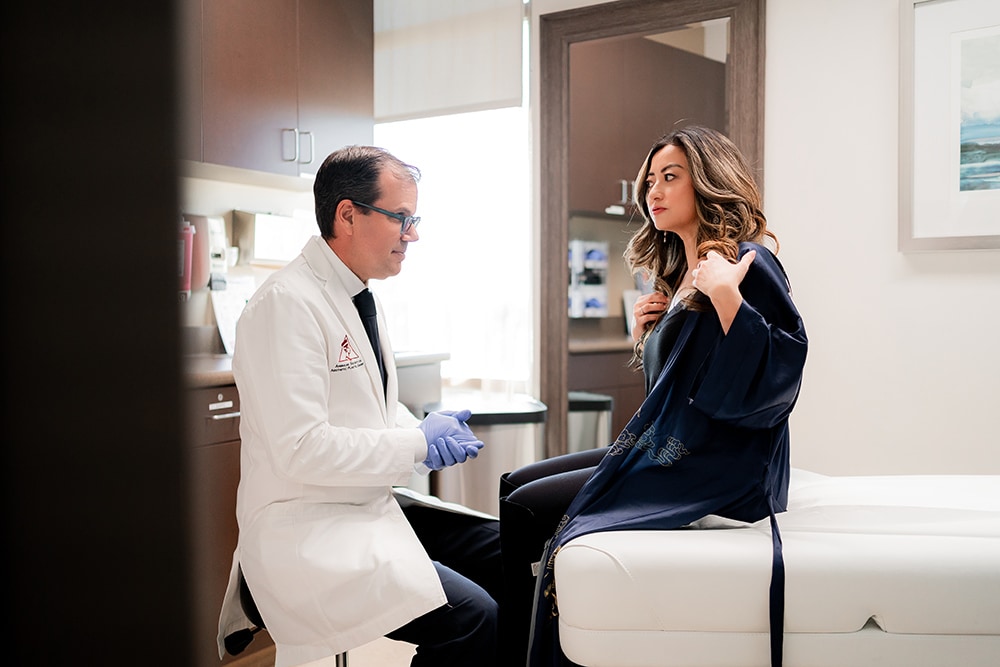
Breast reduction can make daily life more comfortable by reducing the weight your breasts place on your upper body. Along with removing excess tissue, the operation reshapes and lifts the remaining breast, so the change involves both how your breasts feel and how they sit on your frame.
Depending on your concerns, benefits may include:
You don't have to choose a particular cup size before discussing surgery. Describing what feels heavy, which activities are uncomfortable, and how you'd like clothing to fit gives the consultation a useful starting point. Pain can have several causes, so the improvement you can expect depends partly on how much of your discomfort comes from breast weight.
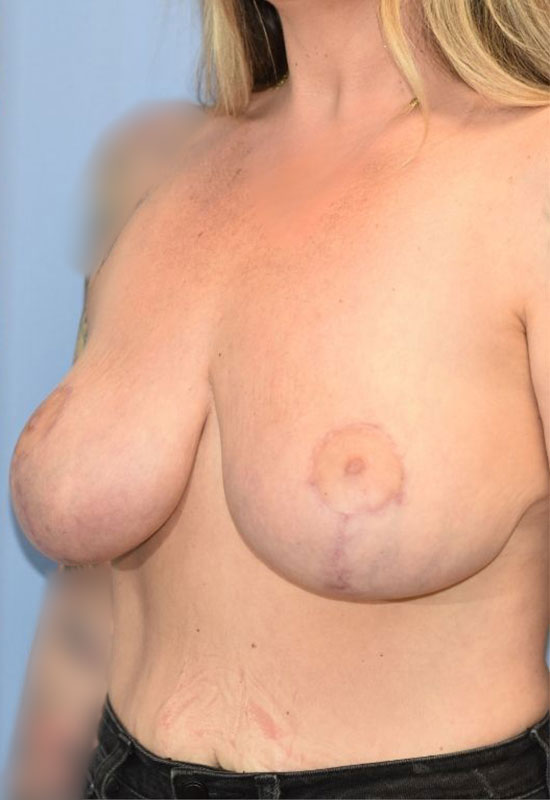
Breast reduction is performed similarly to breast lift, and affords all of the benefits of this procedure in addition to volume reduction. The incision is made around the areola (darker circle around the nipple), vertically down the breast, with a small horizontal incision in the breast crease.
This pattern is referred to as anchor-shaped or inverted “T.” The excess skin and tissue is removed, then the nipple and remaining tissue are elevated and reshaped. The nipple usually remains attached to supporting breast tissue during repositioning, but nipple sensation and breastfeeding ability can change after surgery.
In some cases a horizontal incision is not necessary and a limited scar reduction can be accomplished. It is not uncommon for Dr. Smith to incorporate liposuction to the armpit area, upper back or abdomen at the time of breast reduction.
The first one to two weeks are an early recovery period; healing and restrictions on strenuous activity continue beyond that time. Initial discomfort improves with each day and can be controlled with oral pain medication. Most people are back to work within 1 or 2 weeks.
The incisions are initially covered with light dressings and a surgical bra. The dressings may be removed after 1-2 days and a clean bra can be worn. Some mild bleeding can be expected for the first few days after surgery. If you have any questions please call the office for advice. Scars may take 6 to 12 months to fade.
You'll see a reduction in breast size after surgery, although swelling and healing will affect the early appearance. The breasts need time to soften and settle, so the first look in the mirror won't show your final contour. Some women notice relief from breast weight early; tenderness at the incisions can still limit how comfortably you move.
Return to work and final results are different milestones. Feeling ready for a desk job doesn't mean the incisions have finished healing or that running, lifting, and upper-body workouts are appropriate. Follow your individual activity restrictions even when the breasts already feel lighter.
Breast reduction results can last for many years. The tissue removed during surgery is gone, but the remaining breasts can still change with pregnancy, weight fluctuations, hormonal changes, and aging. A stable weight helps limit size changes, and supportive bras can make activity more comfortable.
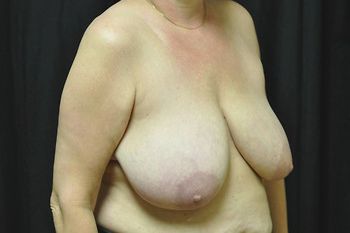
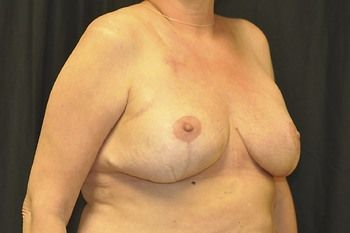
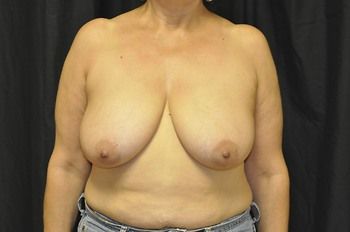
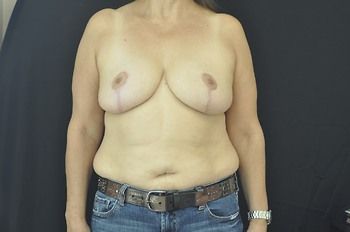
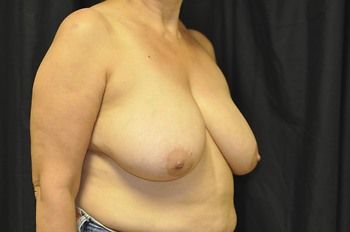
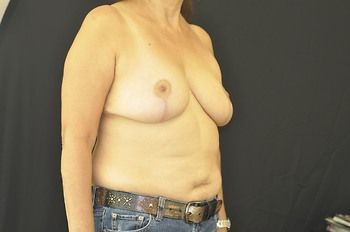
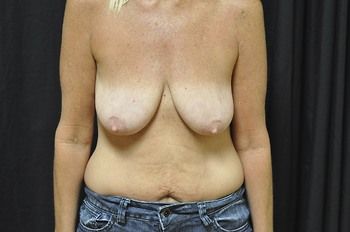
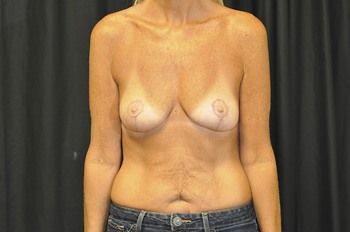
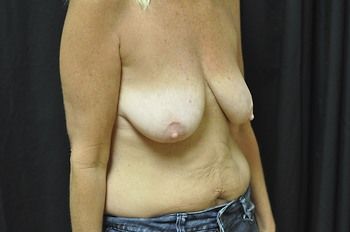
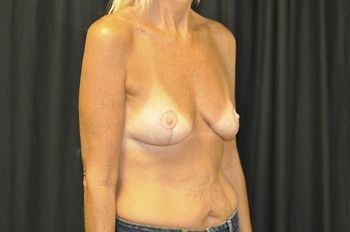
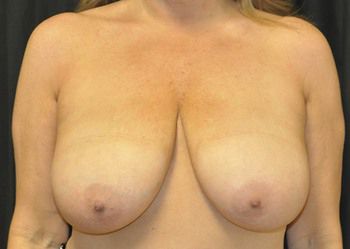
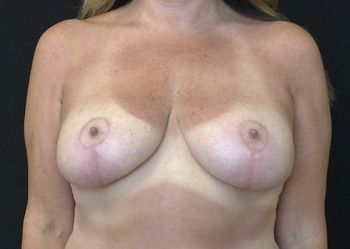
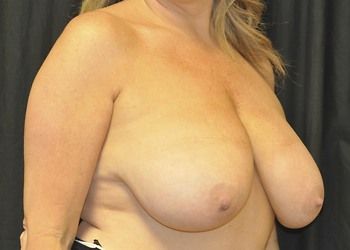
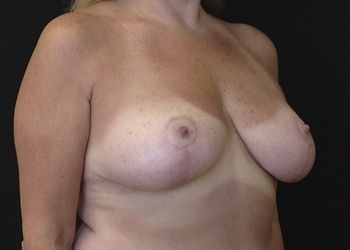
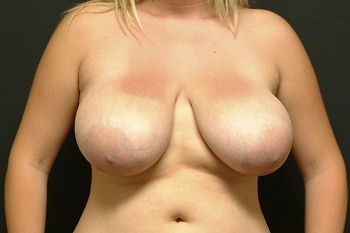
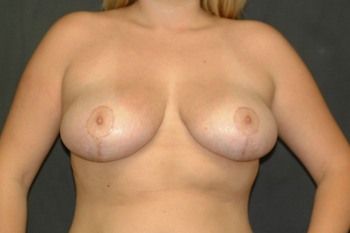
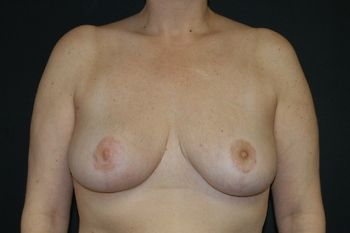
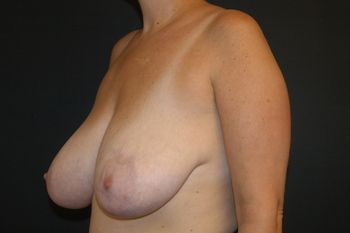
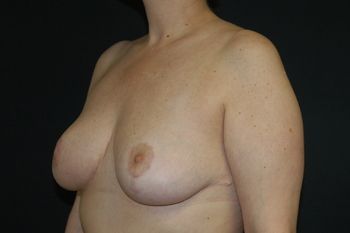
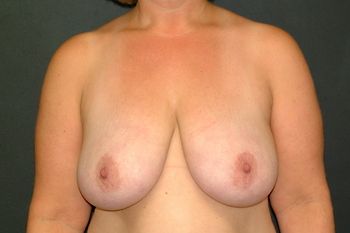
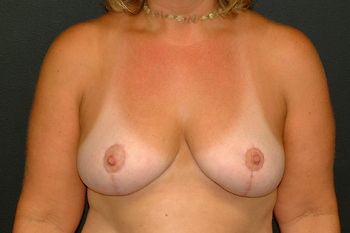
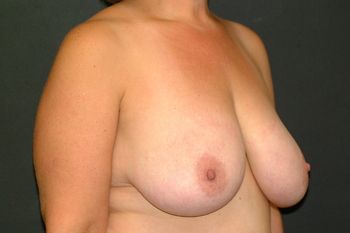
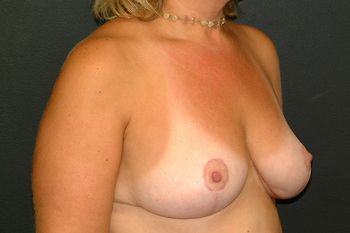
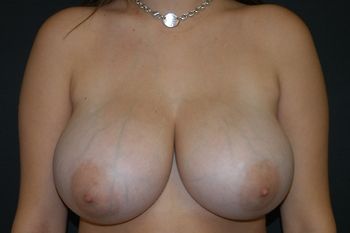
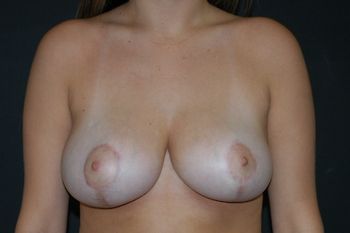
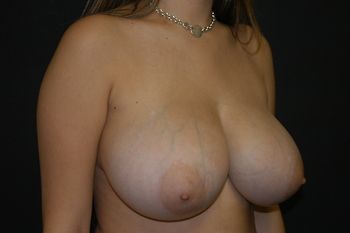
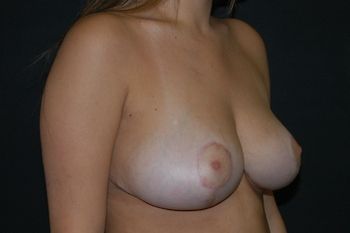
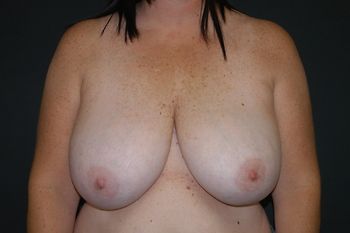
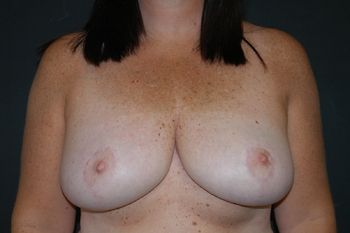
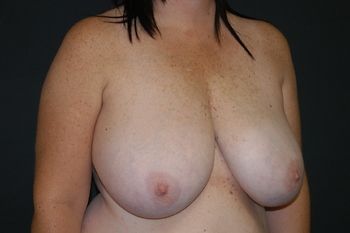
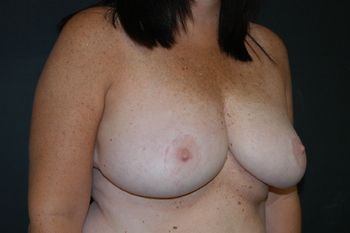
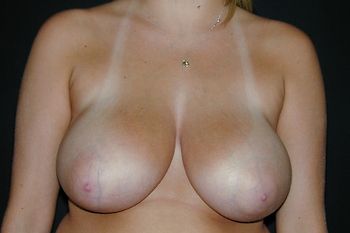
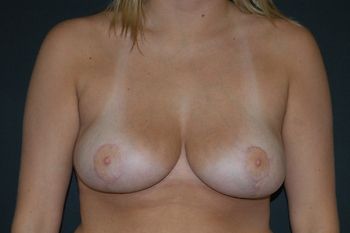
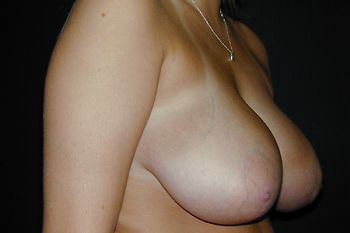
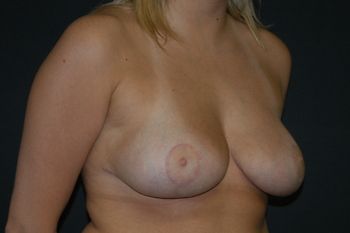
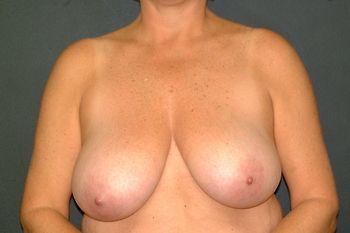
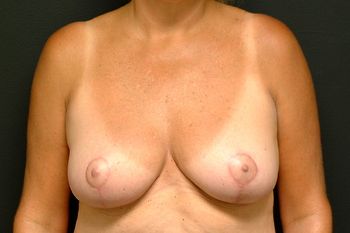
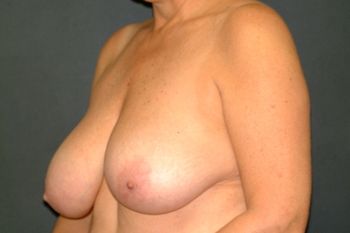
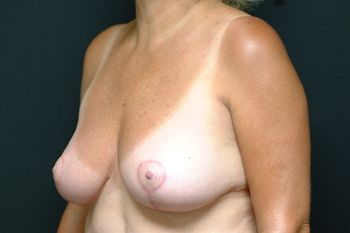
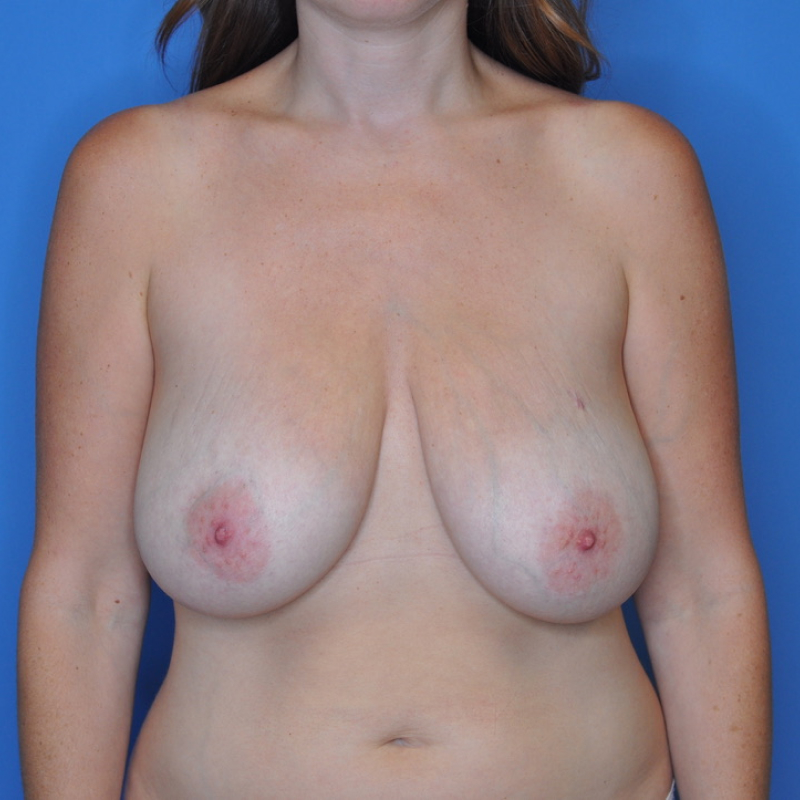
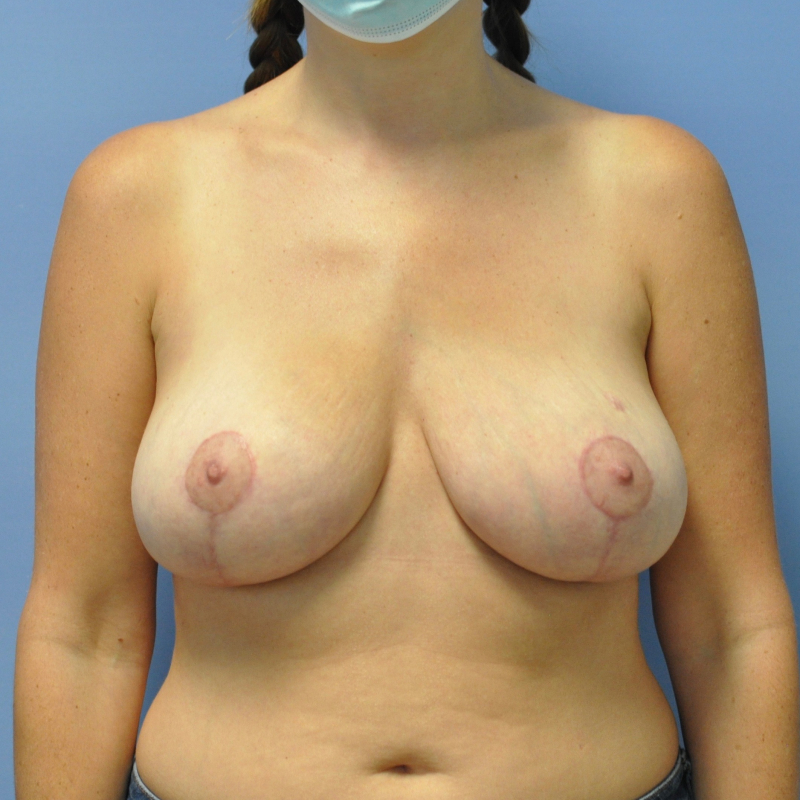
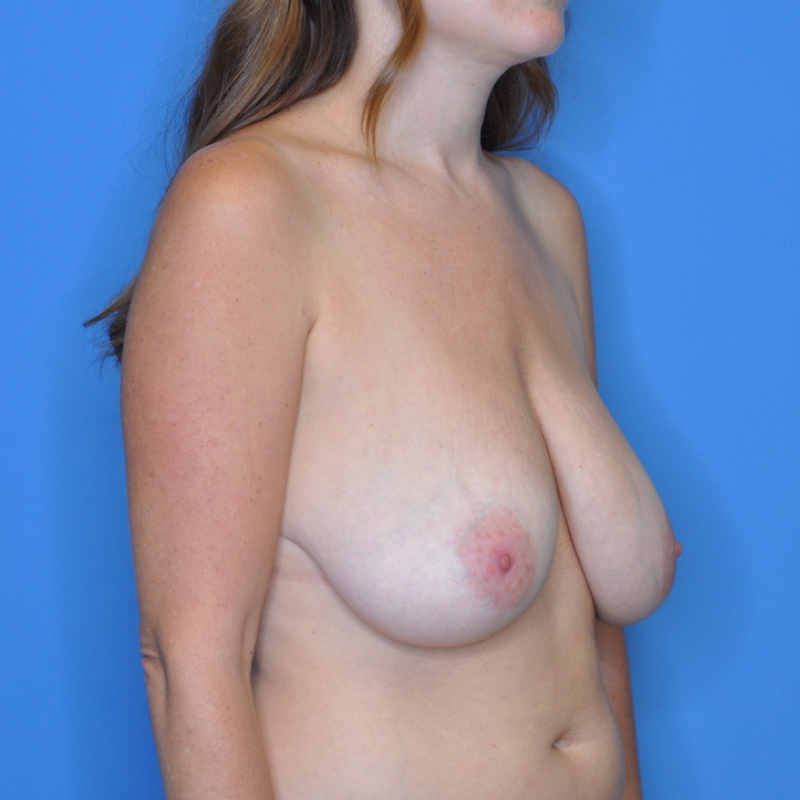
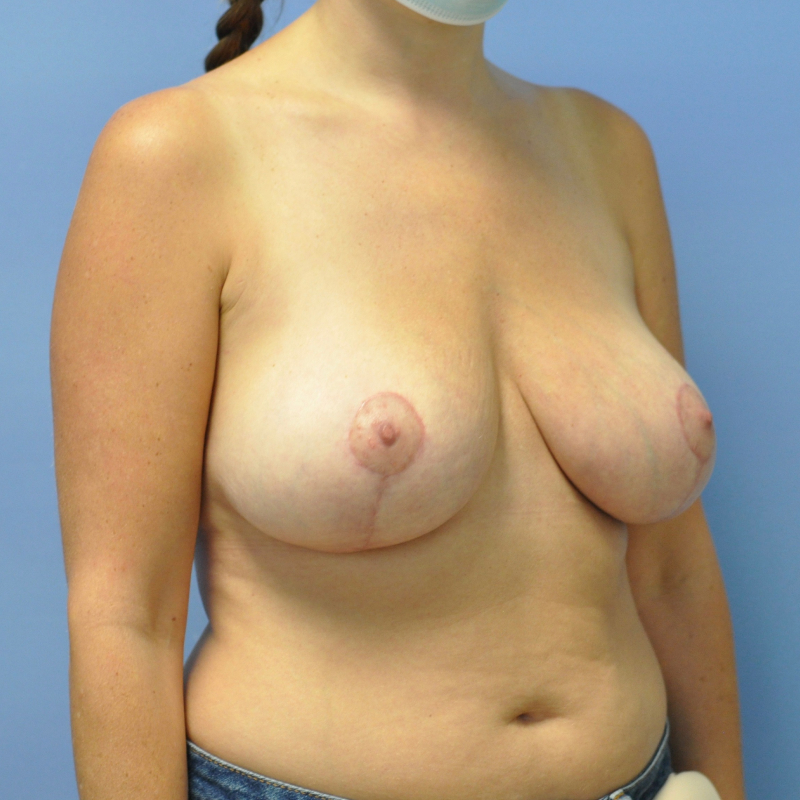
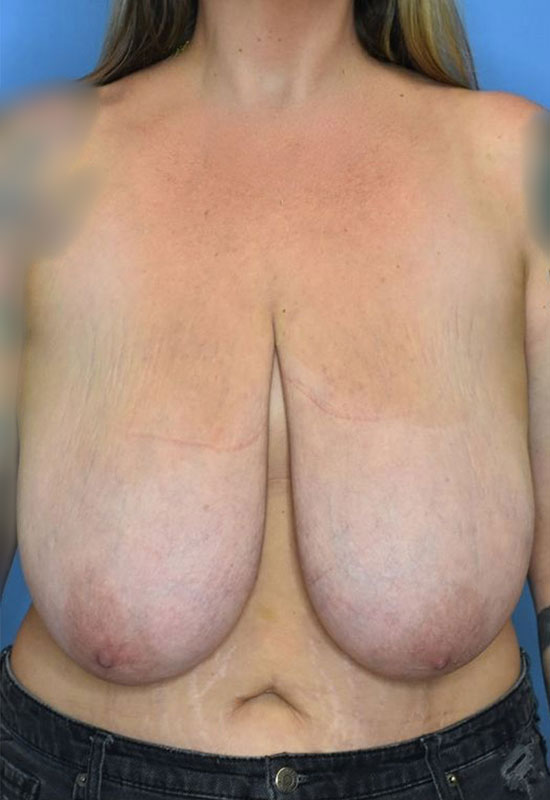
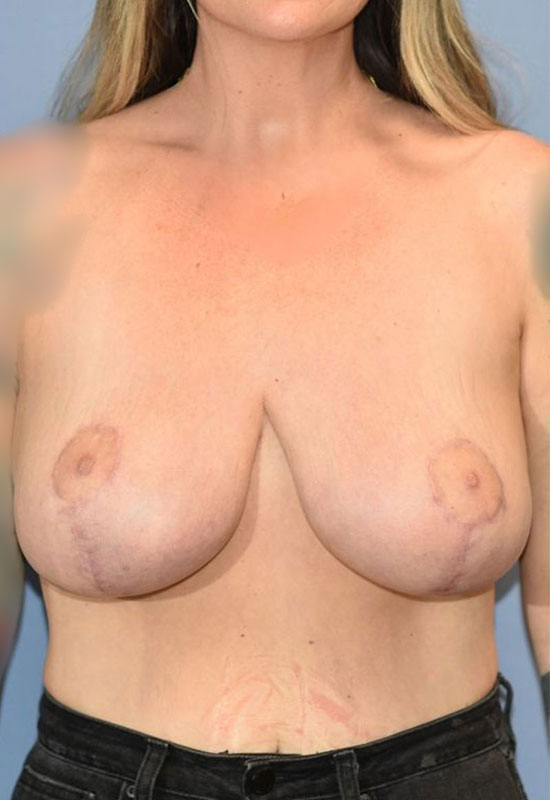
When reviewing before-and-after photos, look for patients with a starting size and shape similar to yours. Use those examples to discuss the amount of reduction, nipple position, and scar placement you would be comfortable with. A consultation with Dr. Smith can help you understand which changes are realistic for your anatomy before deciding whether to proceed.
Insurance coverage for breast reduction varies by plan and medical-necessity criteria. Dr. Smith does not participate in insurance-subsidized treatments or services. Contact the office to confirm current payment arrangements before scheduling.
Breast reduction generally includes lifting and reshaping as excess tissue and skin are removed. The nipple and areola are repositioned to suit the smaller breast. A breast lift on its own mainly addresses sagging and position; reduction also decreases breast volume. If heaviness is your main concern, that difference helps determine the appropriate operation.
You can discuss a preferred size, but an exact cup size cannot be guaranteed. Bra sizing varies, and the amount of tissue that can be removed safely depends on your starting anatomy and the planned technique. Bring examples of the proportions you like, and explain how small you would feel comfortable going.
Breastfeeding may be possible after breast reduction, but surgery can reduce or eliminate the ability to produce and deliver enough milk. The technique and amount of tissue removed matter. Tell Dr. Smith if breastfeeding is important to you or if you are planning a pregnancy, since those priorities may affect the timing and surgical plan.
Nipple and breast sensation can change after reduction. Numbness or increased sensitivity may improve as healing progresses, but some changes can be permanent. Keeping the nipple attached to supporting tissue does not guarantee normal sensation or breastfeeding ability.
Scars follow the incision pattern needed to remove tissue and reshape the breasts. They may circle the areola, extend vertically to the breast crease, and continue along the crease in an anchor pattern. They often soften and fade over months, but they do not disappear. Ask to review healed examples and the pattern recommended for your reduction.
Risks include bleeding, infection, delayed wound healing, noticeable scars, asymmetry, changes in sensation, and anesthesia-related complications. Less commonly, tissue or nipple blood supply may be compromised, and further surgery may be needed. Your health, nicotine use, and the extent of the reduction affect risk. Discuss these factors before deciding whether the likely benefits are worth the trade-offs for you.
The cost depends on the extent of the reduction, surgical technique, anesthesia, facility fees, and any additional procedures. An individualized estimate is needed to understand your total. Ask which appointments and postoperative care are included, and what could involve a separate charge. Dr. Smith does not participate in insurance-subsidized treatments or services; confirm current payment arrangements with the office.
Contact Andrew Smith, MD FACS Plastic and Reconstructive Surgery in Irvine, Orange County to schedule your consultation.