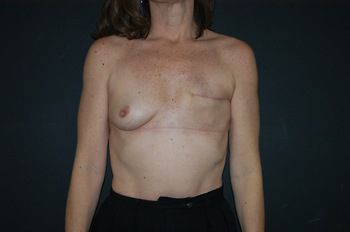
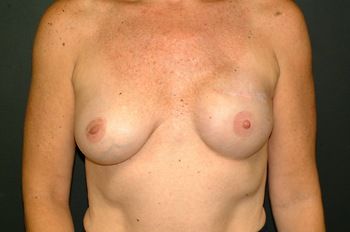
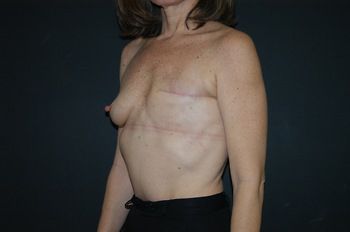
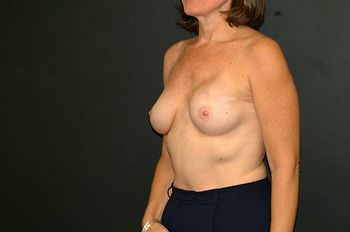
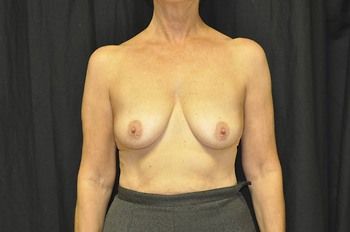
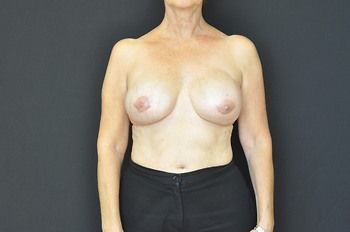
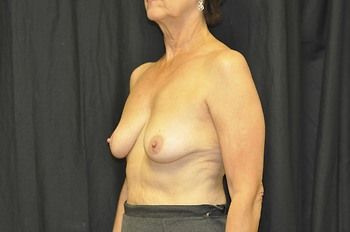
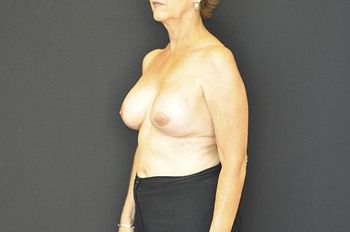
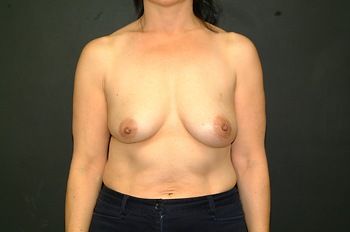
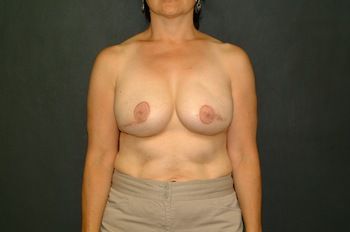
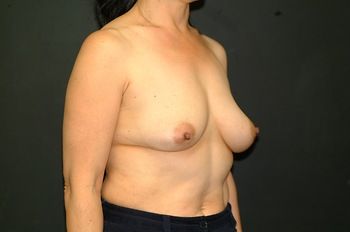
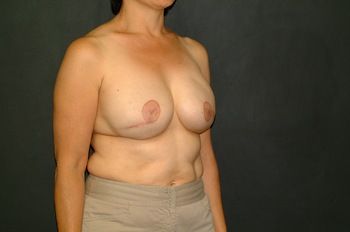
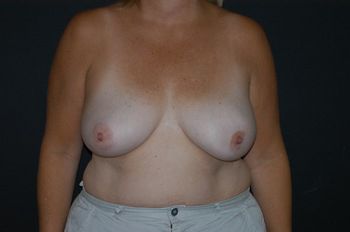
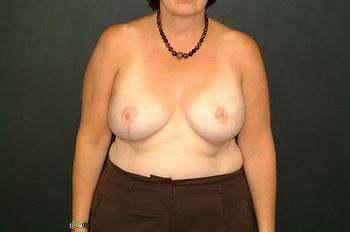
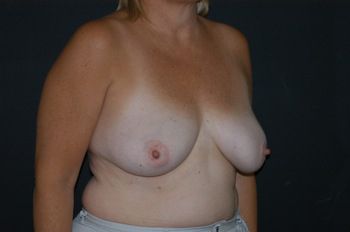
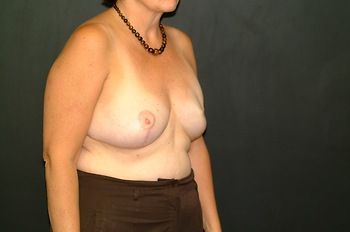
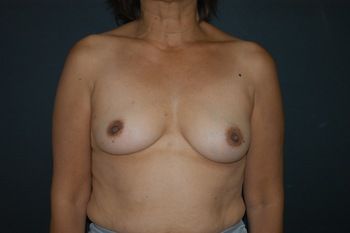
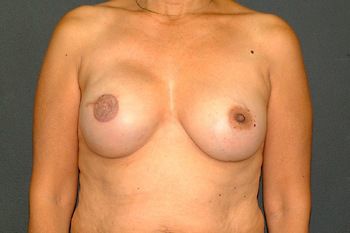
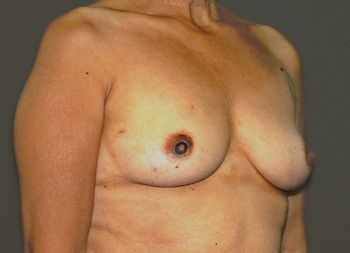
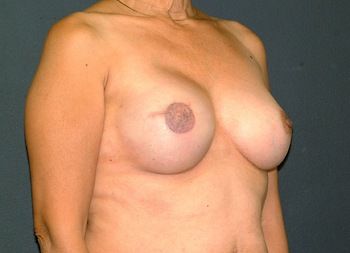
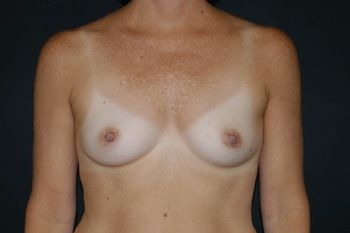
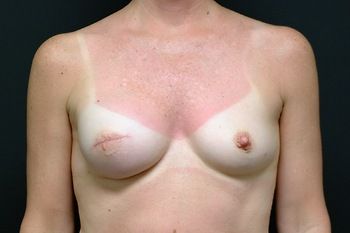
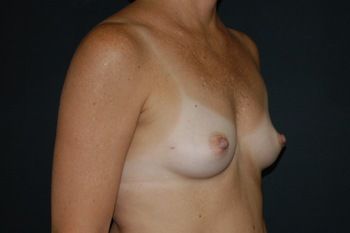
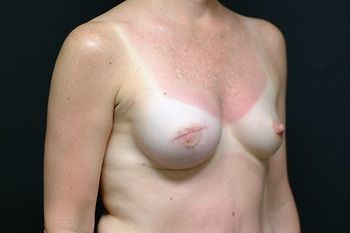
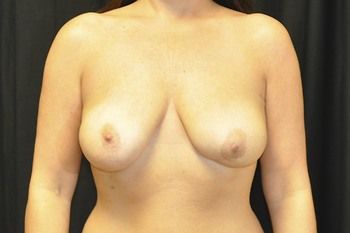
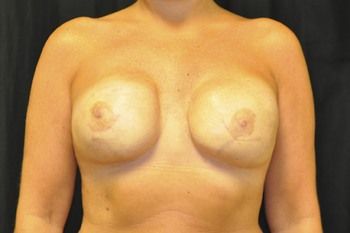
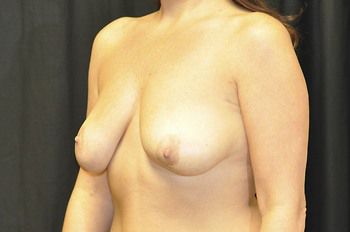
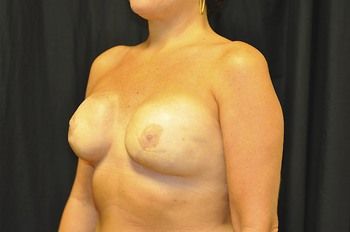
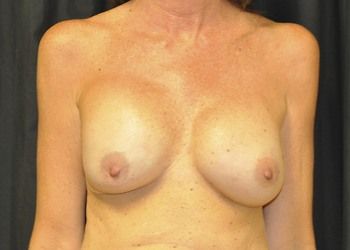
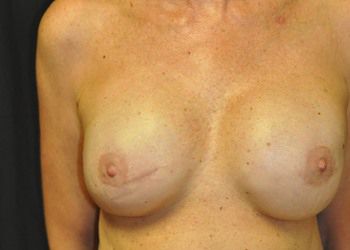
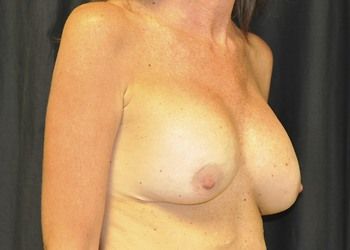
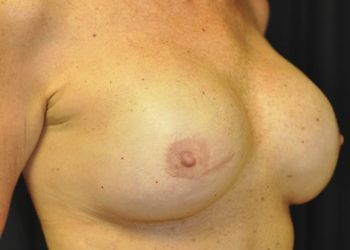
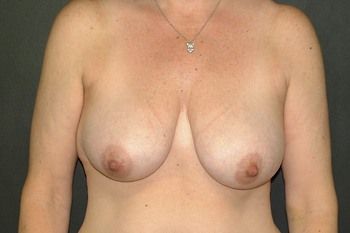
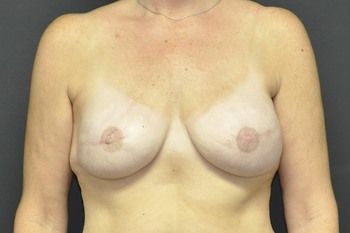
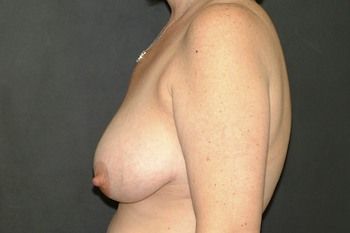
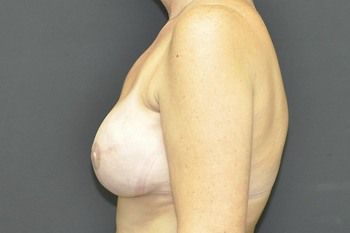
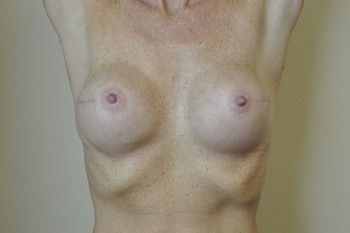
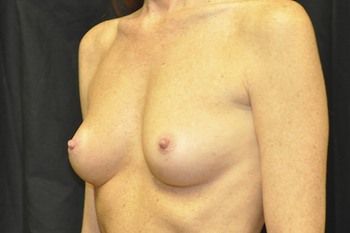
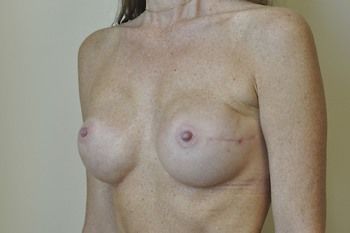
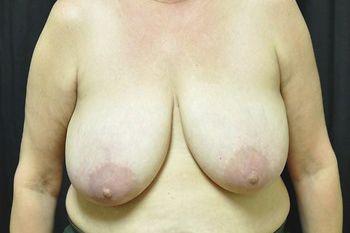
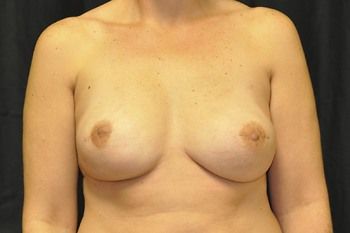
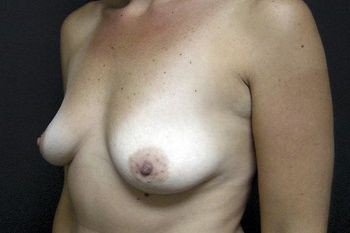
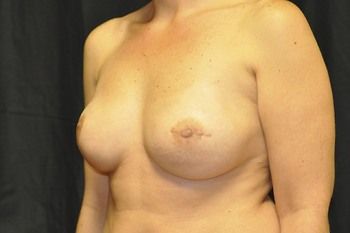
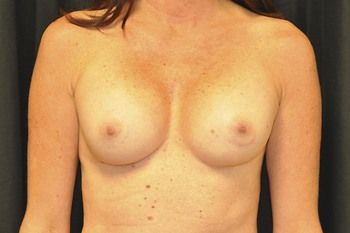
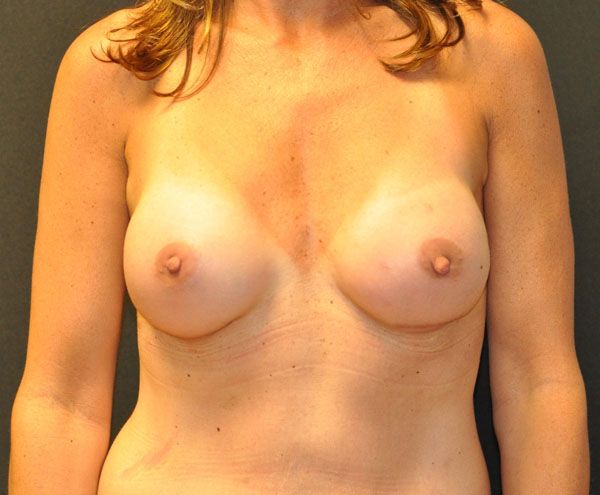
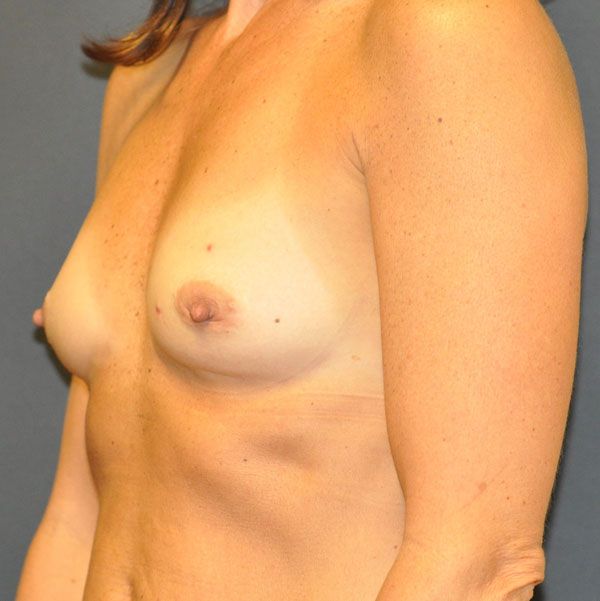
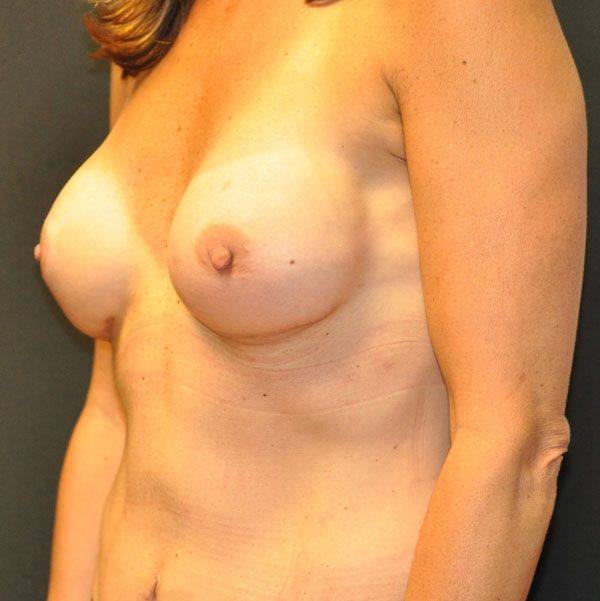
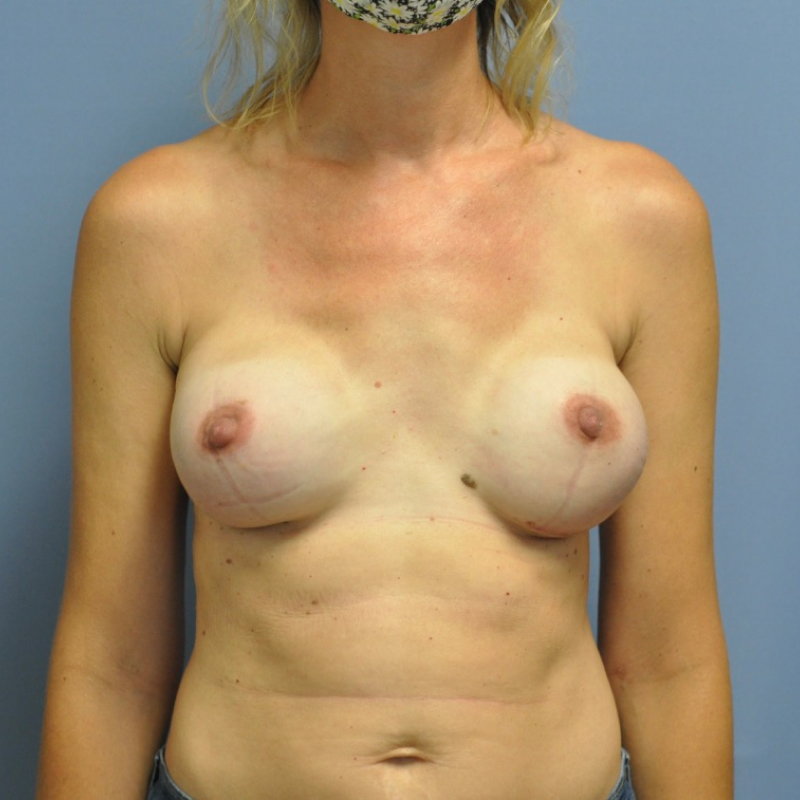
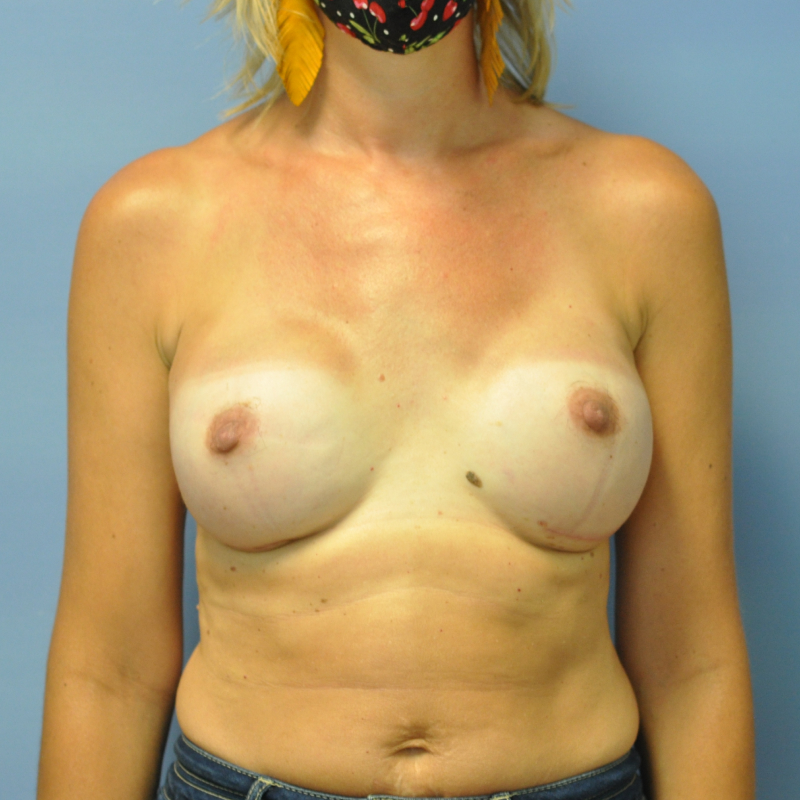
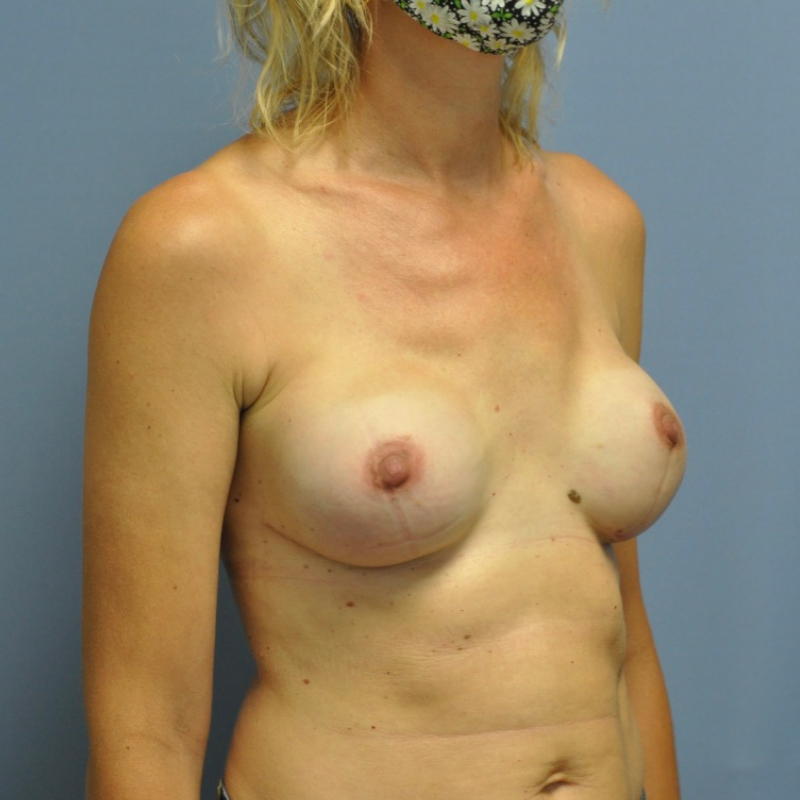
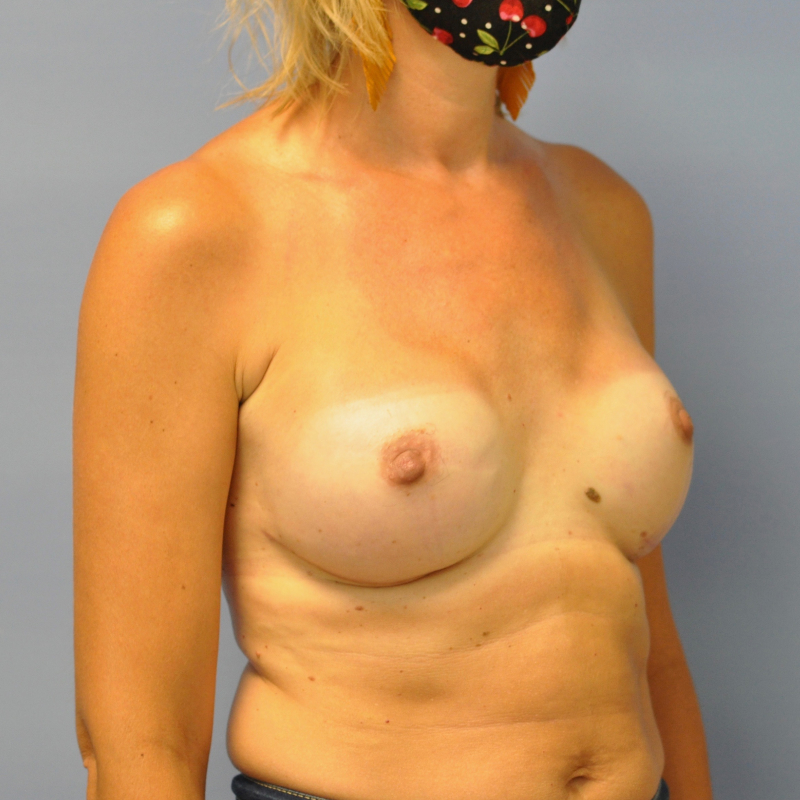
Breast Reconstruction
in Irvine, CA

Dr. Smith is devoted to helping women win the battle against breast cancer. He is part of a highly skilled surgical team that treats women in all stages of cancer diagnosis.
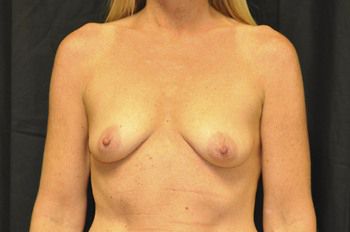
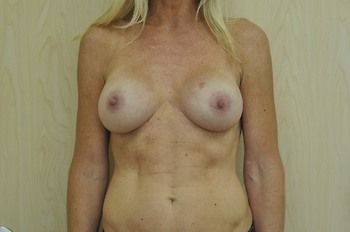
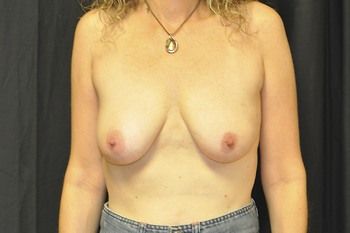
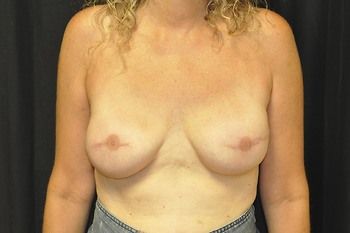
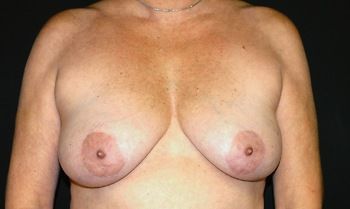
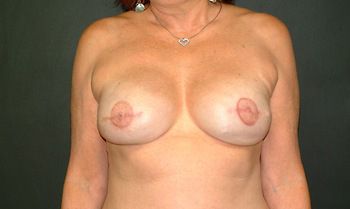
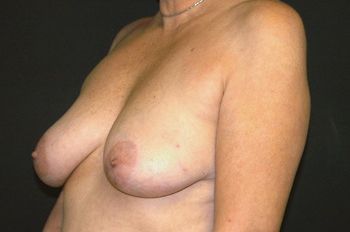
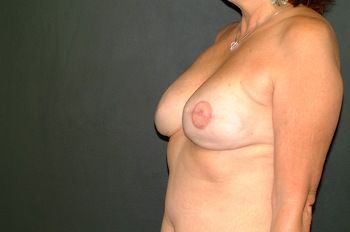
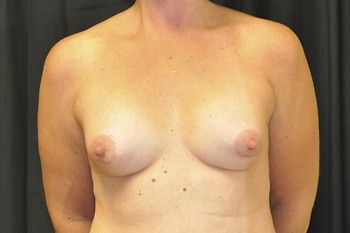
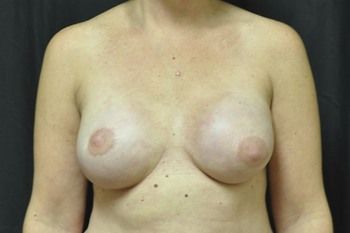
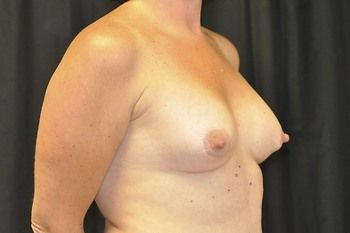
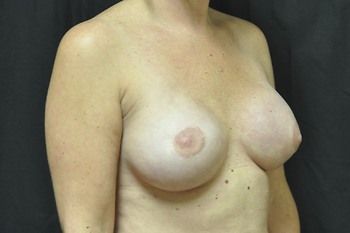
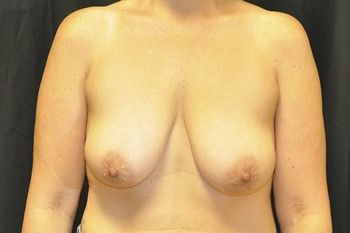
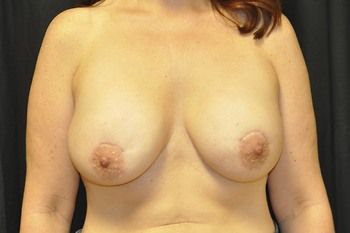
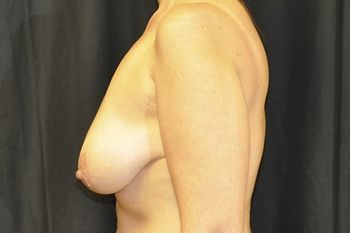
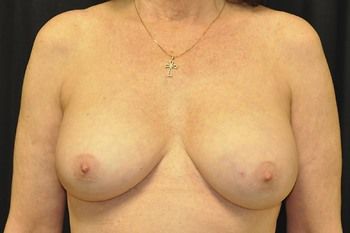
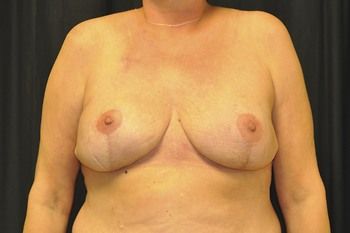
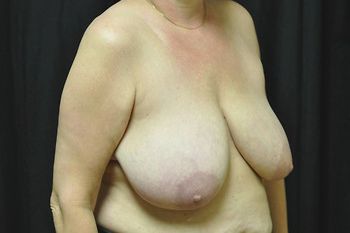
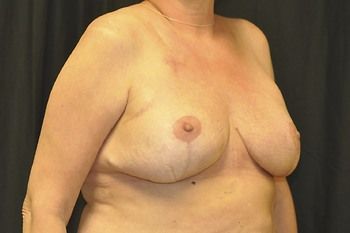
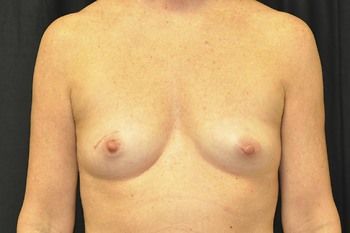
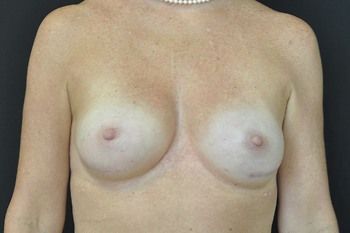
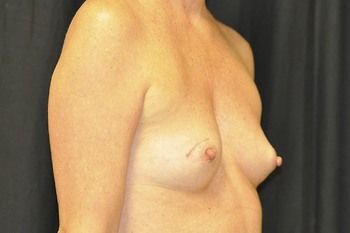
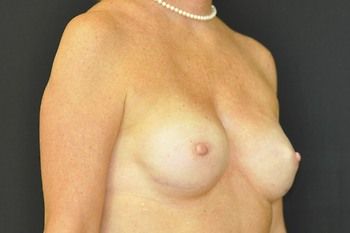
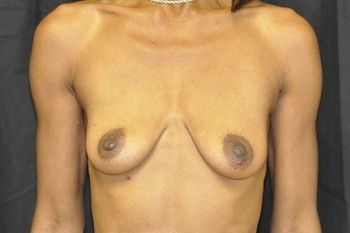
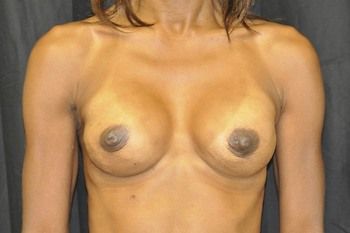
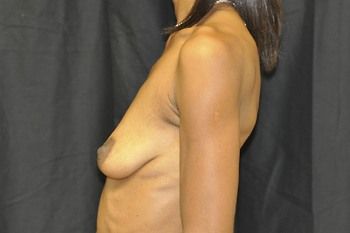
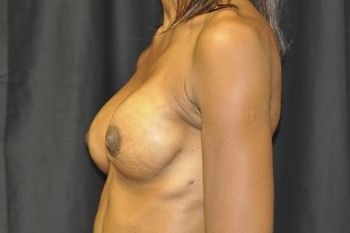
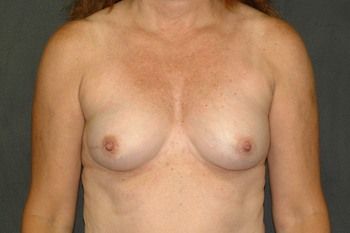
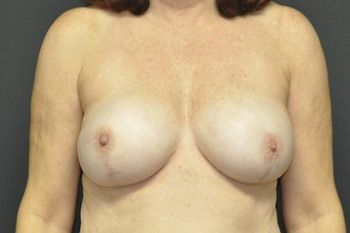
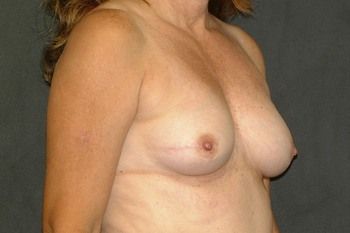
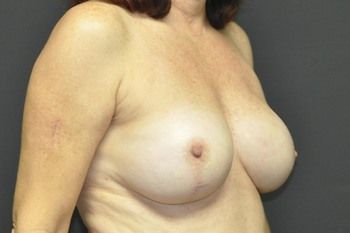
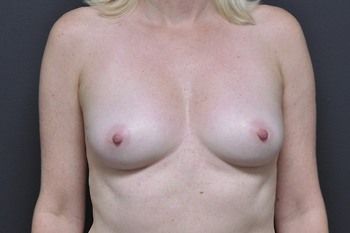
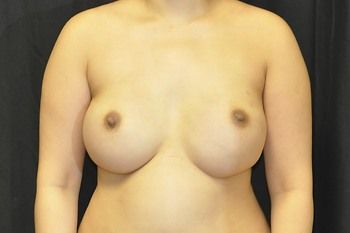
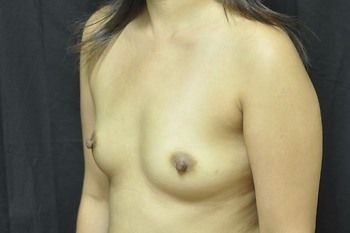
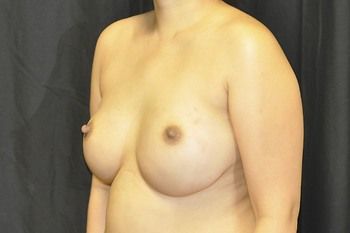
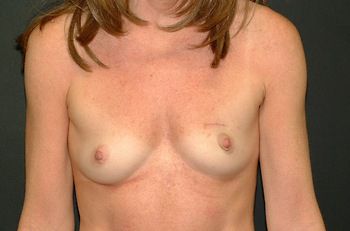
Breast reconstruction after mastectomy is one of the most complex and rewarding procedures a plastic surgeon performs. Dr. Andrew Smith has earned a reputation as one of the top Orange County breast reconstruction surgeons – not just for his skill, but for his dedication to his patients and his passion for excellent results.
His high degree of specialized training in this area, combined with new techniques in breast reconstruction, make it possible for women to have breasts that look and feel natural, even after mastectomy or lumpectomy. If you have any questions about breast reconstruction Irvine residents are encouraged to request a surgical consultation with Dr. Smith. He will set aside as much time as is necessary to answer all of your questions. You can also call our Irvine and Corona plastic surgery offices at (949)-653-7000.
 Swipe To Next
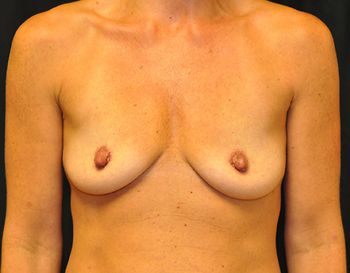
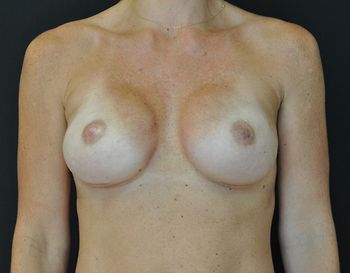
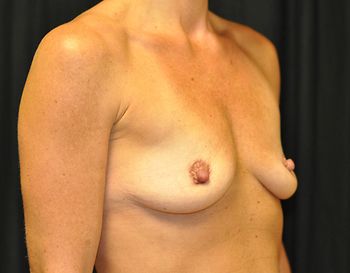
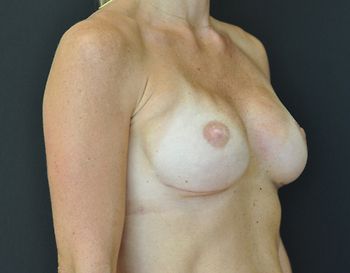
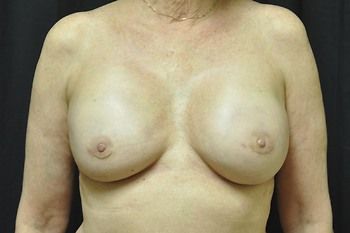
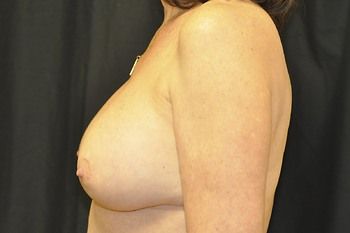
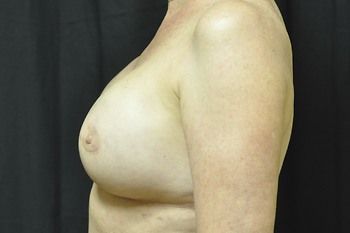
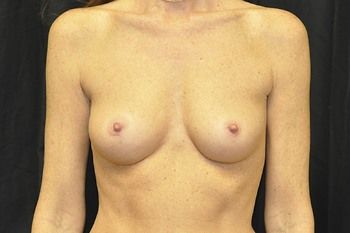
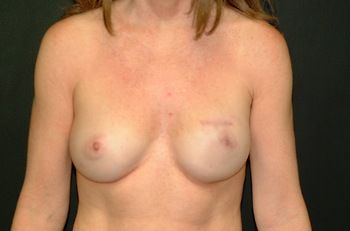
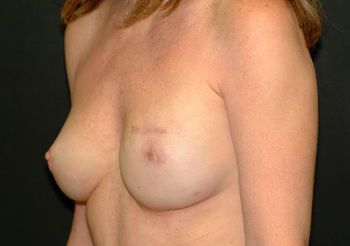
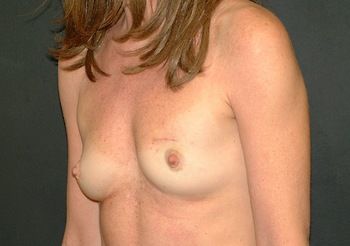
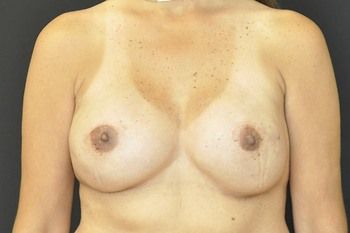
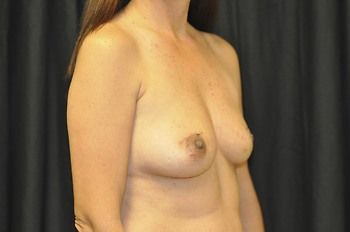
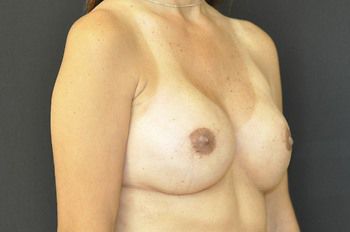
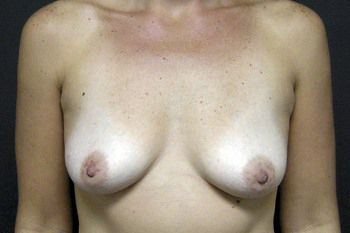
Breast reconstruction is the process of restoring a breast (or breasts) to a natural appearance after cancer or other disease has resulted in mastectomy or lumpectomy. It is an excellent option for women who:
Breast reconstruction can be performed using a breast implant or your own tissue to replace the lost breast.
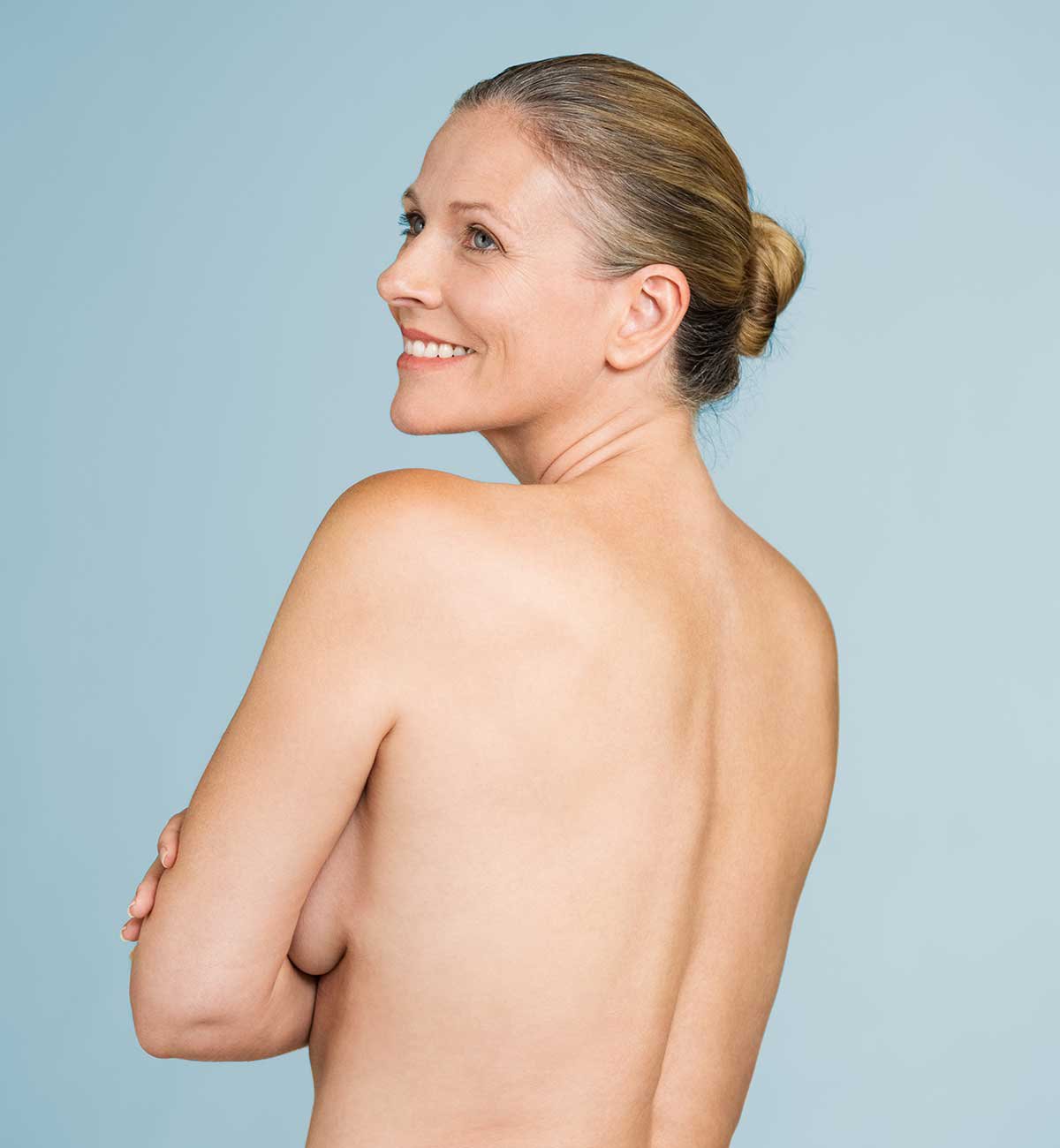
Most women who have health insurance and have undergone or are planning to undergo mastectomy are eligible for insurance coverage of their breast reconstruction procedure. In fact, Federal law requires that in most cases your insurance carrier cover the reconstruction.
Irvine breast reconstruction provider Dr. Smith and his office staff can check on your insurance coverage and help you with any necessary paperwork. With so much on your mind during breast cancer treatment, Dr. Smith believes you should not have to spend a lot of time worrying about paying for your procedure and hoping it will be covered by insurance.
Check your policy to make sure you’re covered and to see if there are any limitations on what types of reconstruction are covered. Also, get educated about the law so you know your rights when it comes to insurance coverage of breast reconstruction.
Depending on your state of mind, you may begin planning for your reconstruction as soon as you learn that you will be undergoing mastectomy. Your breast surgeon and your plastic surgeon will work together in planning an approach that ensures your health and the best possible outcome.
Dr. Smith will take into consideration your health, your anatomy, and your goals, then will discuss all of your options with you. Your needs are his top priority, and he will listen to you and help you to have realistic expectations from your procedure.
It is not uncommon for breast reconstruction to take place in stages. The first stage is usually performed in a hospital.
Dr. Smith operates at Saddleback Memorial Medical Center, Orange Coast Memorial Medical Center, and Irvine Regional Hospital. An overnight stay is common after a mastectomy and immediate reconstruction. Secondary surgeries are usually outpatient procedures. This may be at either one of the above hospitals or at his Irvine Plastic Surgery practice.

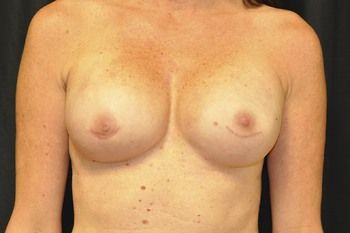
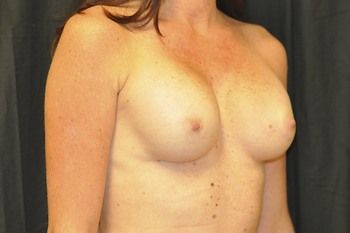
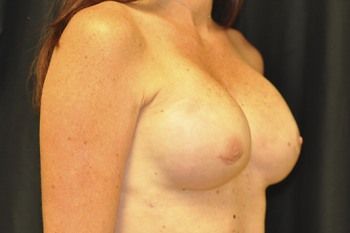
For many patients, breast implants are a good option for breast reconstruction. You will have your choice of several shapes and sizes, as well as silicone or saline-filled.

You have several options for post-mastectomy breast reconstruction. During your consultation for breast reconstruction Irvine plastic surgeon Dr. Smith will thoroughly discuss the options available to you.
The 2 types of reconstruction currently available can be divided into implant-based reconstruction and reconstruction that uses your own tissue (flap reconstruction).
For many women, implant reconstruction with tissue expanders is the best option. The tissue expander is put in place at the time of mastectomy, and adds a small amount of immediate volume.
The tissue expander is gradually filled with saline solution at regular intervals over a period of weeks or months. This allows the skin and tissue to expand, making room for the placement of a breast implant. During a second procedure, the tissue expander is removed and a more permanent breast implant is inserted. Depending on the type of mastectomy, you may need to have your nipple-areolar complex reconstructed in a separate procedure.
Dr. Smith is one of an elite group of plastic surgeons who can reconstruct the breast mound using tissue taken from other areas of the body such as the abdomen, back, or buttocks. There are numerous types of “flap” procedures, all of which require extensive training and skill.
Since the tissue must remain attached – or be reattached – to blood vessels, expertise in microvascular surgery is required for this type of surgery. The downside of flap reconstruction is that recovery is longer, and there will be scars at both the donor and recipient sites. However, using your own tissue produces a natural look and feel, and comes with none of the concerns associated with implants. Dr. Smith will help you determine if this approach is right for you.

Most women who must lose a breast to cancer can have it rebuilt through reconstructive surgery. However, there are certain risks associated with any surgery and complications that are specific to this procedure.
There are general problems such as bleeding, fluid collection, infection, excessive scar tissue, or difficulties with anesthesia which can occur, although they’re relatively uncommon. As with any surgery, smokers should be advised that nicotine can delay healing and smoking should be stopped prior to surgery. Implant specific problems also can occur. The most common of these problems is called capsular contracture.
This can occur if the scar or capsule around the implant begins to tighten. This squeezing of the soft implant can cause the breast to feel hard. This may be treated in several ways, including either removal or releasing the scar tissue or sometimes replacing the implant. Reconstruction has no effect on the recurrence of cancer.
It also does not interfere with chemotherapy or radiation treatment, which is sometimes needed after surgical treatment of breast cancer. Dr. Smith will recommend continuation of periodic mammograms on both the reconstructed and the remaining normal breast. If your reconstruction involves an implant, be sure to go to a radiology center where technicians are experienced in the special techniques required to get a reliable x-ray of a breast reconstructed with an implant.

Women who postpone reconstruction may go through a period of emotional readjustment. Just as it took time to get used to the loss of a breast, a woman may feel anxious and confused as she begins to think of the reconstructed breast as her own.
Still, there are some legitimate reasons to delay reconstruction until a later date. Some women are not comfortable weighing all the reconstructive options while they are struggling to cope with a diagnosis of cancer. Others simply do not want to have any more surgery than is absolutely necessary. Women with other health conditions, such as obesity, high blood pressure, or smoking, may also be advised to wait.
You will probably spend 1 or 2 days in the hospital following your surgery. Fatigue and soreness are the most common complaints following breast reconstruction surgery. Dr. Smith will prescribe pain medication to manage your discomfort. You will likely have a surgical drain in place for about 7 to 10 days to prevent fluid accumulation at the surgical site.
We use dissolvable sutures that do not need to be removed. Women who choose immediate reconstruction at the time of mastectomy may require 6 weeks of recovery time. Flap reconstruction requires a longer recovery than reconstruction with implants. Dr. Smith and his caring staff will be available to you around the clock during your recovery to answer any questions that arise.
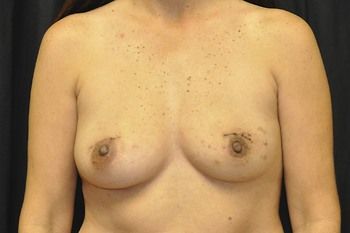
Although you may never regain full sensation in your breast, you may regain some feeling over time. Your scars will fade over the course of several months or years. If you need to have subsequent procedures, such as reconstruction of your nipple-areolar complex, areolar re-pigmentation, or surgery on the other breast for symmetry, Dr. Smith and his staff will address those concerns when the time is right.
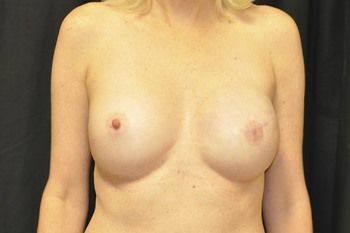
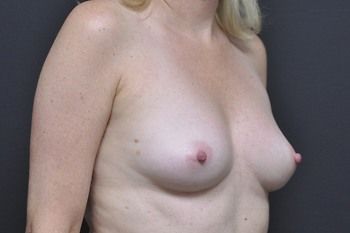
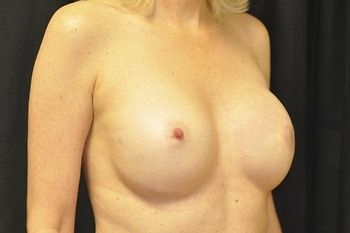
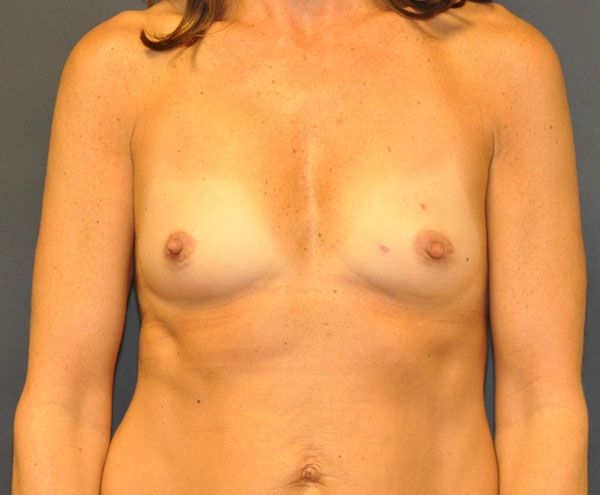
Without clothing you will be able to see the difference between your reconstructed breast and your natural breast. However, when you are wearing clothing, even a swimsuit or a bra, your breasts will likely be similar enough in size and shape that your reconstruction will not be noticeable.
Yes. The nipple and areola are usually removed during mastectomy, but they are commonly reconstructed in an additional outpatient procedure performed some time after the reconstruction surgery.
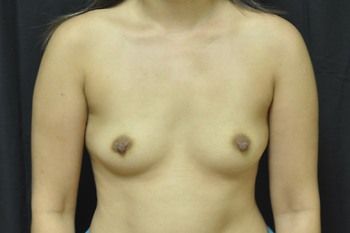
It is important that we have open and clear communication about breast reconstruction results prior to your surgery to give you realistic expectations about the outcome. While I strive for natural and realistic looking results, a reconstructed breast will not look or feel exactly like a real breast. Once you have your surgery, you will need to wait for several months for the results to achieve their final shape before you will know how your new breast will look. If you end up with concerns, I will be happy to meet with you and discuss the options for modifying your reconstructed breast.
Having your breast reconstructed immediately after mastectomy has not been shown to affect subsequent cancer treatments, such as radiation and chemotherapy. Sometimes, I will recommend delaying these treatments until you have sufficiently recovered from the reconstruction surgery. I do recommend using a radiology center experienced with reconstructive breast surgery patients for future mammograms.
Every woman has a unique experience with breast reconstruction. However, if you do the research and talk with other women, you can begin to get a sense of common aspects of this procedure, including surgical options and steps to recovery. Dr. Smith has many satisfied patients who would be happy to share their stories with you – ask for more information during your consultation. In the meantime, you can read Teri’s breast surgery story to hear one patient’s perspective of her experience.
Women considering breast reconstruction have several choices to consider for their Orange County breast implants. Once a sufficient pocket has been created through tissue expansion, a silicone gel or saline implant can be placed in the breast. Dr. Smith will carefully review your implant options with you if you choose this reconstructive method.
Contact Andrew Smith, MD FACS Plastic and Reconstructive Surgery in Irvine, Orange County to schedule your consultation.